JSC3-FA-100B-700 As is well known, the working medium commonly used in cylinders is compressed air, which is characterized by fast action, but the speed is not easy to control. When the load changes greatly, it is prone to produce phenomena such as 'creeping' or 'self-walking'; whereas the working medium used in hydraulic cylinders is generally considered incompressible hydraulic oil, which is characterized by slower action than cylinders, but the speed is easy to control. When the load changes greatly, with proper measures, generally, there will be no 'creeping' or 'self-walking' phenomena. By cleverly combining cylinders with hydraulic cylinders, taking advantage of each other's strengths and avoiding weaknesses, it becomes the widely adopted pneumatic system - the pneumatic-liquid damping cylinder. The working principle of the pneumatic-liquid damping cylinder is essentially that the cylinder and the hydraulic cylinder are connected in series, with two pistons fixed on the same piston rod. The hydraulic cylinder does not need a pump to supply oil, it just needs to be filled with oil, and there are hydraulic one-way valves, throttle valves, and oil filling cups installed between its inlet and outlet. When the right end of the cylinder is supplied with air, the cylinder overcomes the load and drives the hydraulic cylinder piston to move to the left (the left end of the cylinder exhausts), at this time the hydraulic cylinder left end discharges oil, the one-way valve closes, and the oil can only flow into the right chamber of the hydraulic cylinder and the oil cup through the throttle valve. At this point, if the throttle valve opening is enlarged, the oil discharge from the left chamber of the hydraulic cylinder is smooth, and the two piston movement speed is fast; on the contrary, if the throttle valve opening is reduced, the oil discharge from the left chamber of the hydraulic cylinder is hindered, and the two piston movement speed will slow down. In this way, by adjusting the throttle valve opening size, the piston movement speed can be controlled. It can be seen that the output force of the pneumatic-liquid damping cylinder should be the difference between the force generated by the compressed air in the cylinder (thrust or pull) and the damping force of the oil in the hydraulic cylinder. GRLA-1/8-B, DSBC-40-160-PPVA-N3, DSBC-63-200-D3-PPVA-N3, DFM-100-50-P-A-KFDGC-K-63-1500-PPV-A-GK, pressure reducing valve LR-M3-N1/2-07GK pressure reducing valve LR-M2-G1/4-07, D series lockable pressure reducing valve LRS-3/8-D-O-MINIVN-10-L-T4-PQ2-VA5-RQ3, vacuum suction cup ESV-80-EFDSBC-32-60-PPVA-N3, DFM-80-200-P-A-GFDGC-K-25-1500-PPV-A-GK, LFR-1/2-D-5M-DI-MAXI-A pressure regulating valve LR-1/8-S-OB, pressure reducing valve LR-M1-G1/8-10D series lockable pressure reducing valve LRS-1/8-D-MINI, corrugated suction cup VASB-8-M5-PUR-CT vacuum suction cup ESV-50-BS, double acting multi-mounting?DMML-32-30-P-A double acting torsion resistant cylinder DZH-32-300-PPV-A, MS6-LFR-1/2-D7-CRV-ASEMME-AS-80-S-HS-AM, D series lockable pressure reducing valve LRS-3/4-D-O-MIDI pressure reducing valve LR-M3-G3/4-16G, VPPL-3L-3-G14-0L40H-V1-A-S1-7AEVULQ-63-50-A-P-A-S
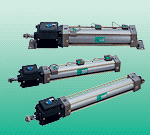
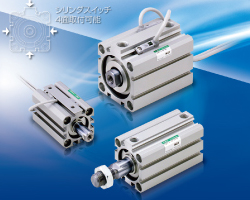
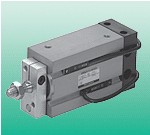
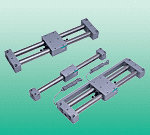
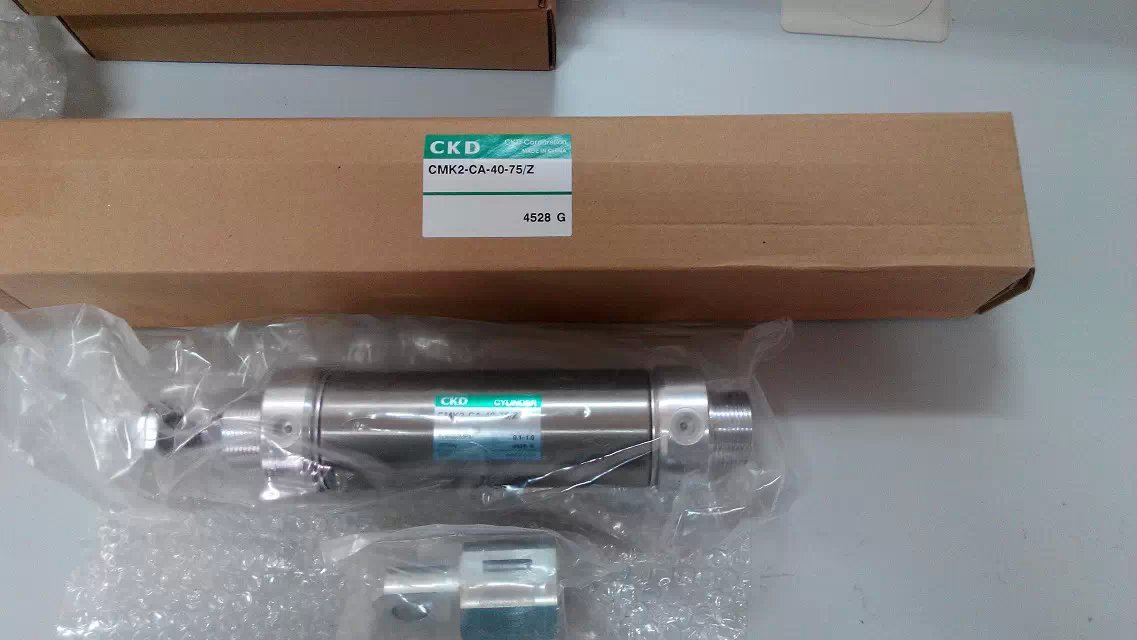
Brake cylinder JSC3-FA-100B-700 belongs to the Air Pressure Cylinders series under CKD company, model number JSC3-FA-100B-700. To purchase or inquire about Brake cylinder JSC3-FA-100B-700, you can directly contact 158 0047 0089 (Mr. He).