CMA2-E-LS-20-150-T0H3-D Throttle Valve and One-Way Throttle Valve Technical Parameters – Miniature Throttle Valve with Hooked Joint Interface PK. Function One-Way Throttle Function, Controls Exhaust Flow GRLA. One-Way Throttle Function, Controls Inlet Flow GRLZ. Bi-Directional Throttle Function GRLO. Low Flow: Precise Adjustment at Low Speeds Hooked Joint Interface Adjusted via Grooved Screw. Derivative Type Rotary Joint, L-Shaped Outlet Rotary Joint, Parallel Outlet. Valve Function GRLA One-Way Throttle Function, Controls Exhaust Flow Valve Function GRLZ One-Way Throttle Function, Controls Inlet Flow Throttle Function Adjustment Element Grooved Screw or Knurled Screw. Throttle Valve and One-Way Throttle Valve Technical Parameters – Corrosion Resistant Throttle Valve with Internal Thread. Function One-Way Throttle Function, Controls Exhaust Flow CRGRLA. Medium Flow: Precise Adjustment at Normal Speeds Adjusted via Grooved Screw. Low Speeds: Precise Adjustment Medium Flow: Precise Adjustment at Normal Speeds Adjusted via Knurled Screw. Valve Function One-Way Throttle Function Adjustment Element Knurled Screw Installation Method Panel Mounting, Tubular Mounting, Through Hole Mounting, Accessories Medium Flow: Precise Adjustment at Normal Speeds Adjusted via Knurled Screw. Cylinder Operation Process Notes on Grinding Grinding is a precision machining process for workpieces. AEVULQZ-80-25-P-A, GRLA-1/8-B 151165DSBC-50-300-D3-PPSA-N3, DSBC-80-400-PPVA-N3, DGC-40-855-G-PPV-A, DGC-32-1060-G-PPV-A Pressure Reducing Valve LR-M2-N1/4-07IK, Pressure Reducing Valve LR-3/8-S-7-BAEVULQ-80-60-P-A-S6, AEVULQZ-100-15-P-A, DSBC-125-200-PPVA-N3, Double Acting Anti-Twist Cylinder DZH-32--PPV-A Polyurethane Air Hose PUN-6X1-DUO-SI, Polyurethane Air Hose PUN-12X2-RT Pressure Reducing Valve LR-3/8-S-B, Pressure Reducing Valve LR-M2-N1/2-07AEVULQ-32-25-A-P-A-S6, AEVULQ-50-25-A-P-A, DSM-6-180-P, Double Acting Multi-Side Mounting? DMM-20-40-P-AEMME-AS-100-M-HS-AMXB, EMME-AS-80-M-LS-ASB Fixed Differential Pressure Reducing Valve LRL-1/4-QS-8, Pressure Reducing Valve LR-M3-N3/4-04GKVAS-10-M5-NBR, AEVULQ-16-5-A-P-A, DGC-K-25-1500-PPV-A-GK, DFM-80-200-P-A-GF192556 LF-D-MAXI-A, LFR-1-D-5M-MAXI-A Pressure Reducing Valve LR-1/8
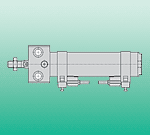
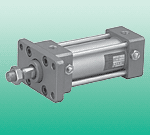
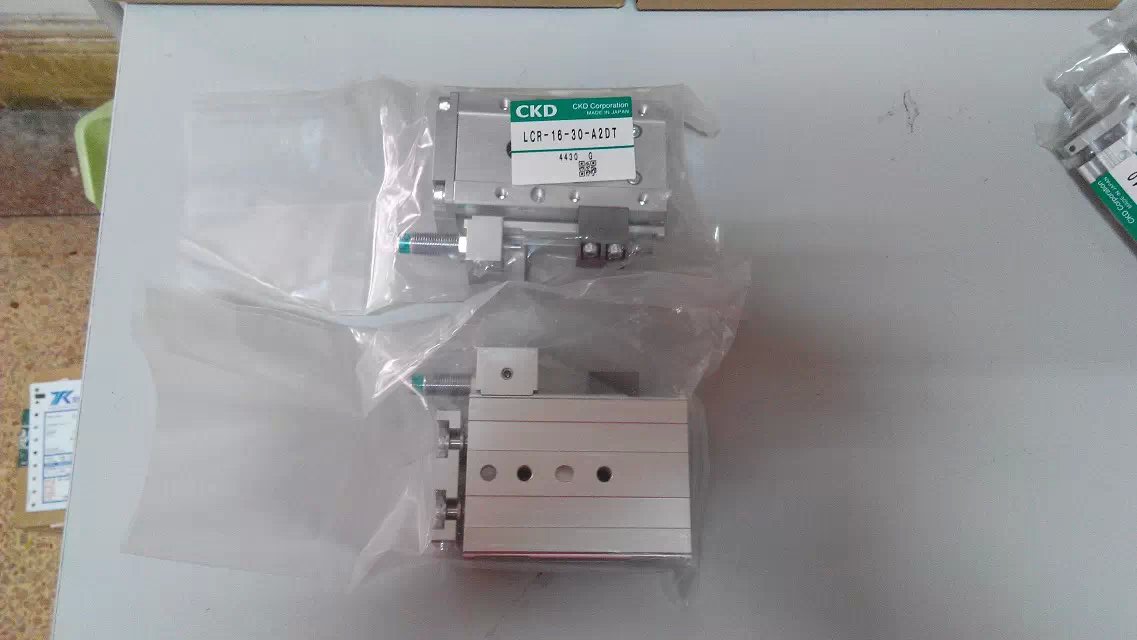
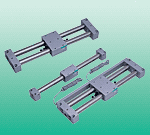
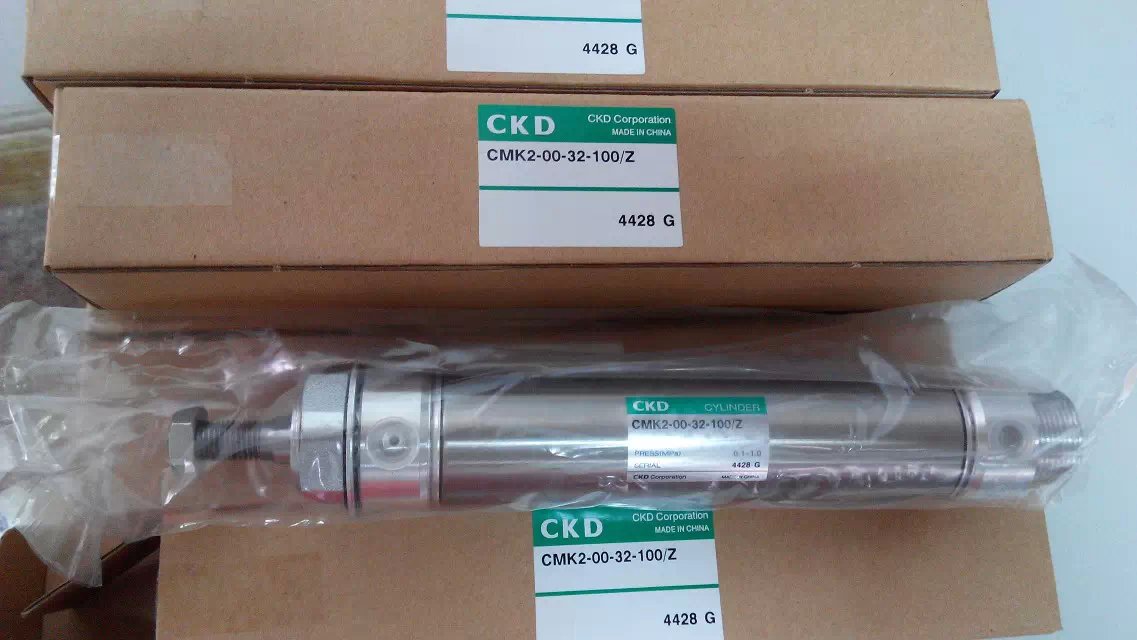
Double acting cylinder CMA2-E-LS-20-150-T0H3-D belongs to the Air Pressure Cylinders series under CKD company, model number CMA2-E-LS-20-150-T0H3-D. To purchase or inquire about Double acting cylinder CMA2-E-LS-20-150-T0H3-D, you can directly contact 158 0047 0089 (Mr. He).
1. Cylinders: Used to convert the energy of compressed air into mechanical energy to produce linear motion.
2. Pneumatic valves: Used to control the direction, speed, and pressure of airflow, regulating the operation of pneumatic systems.
3. Pneumatic motors: Devices that convert compressed air into rotary motion.
4. Air tubes and connectors: Used to connect various components in pneumatic systems and transmit air.
Yes, CKD pneumatic components require regular maintenance to ensure normal operation and extend service life. Key maintenance points include:
- Regularly check and replace seals and gaskets to prevent air leakage.
- Inspect and clean filters to ensure clean air quality.
- Lubricate moving parts to reduce wear and improve efficiency.
- Check air tubes and connectors to ensure secure and undamaged connections.
When selecting the appropriate CKD pneumatic components, consider the following factors:
Application requirements: Understand the specific working environment and tasks, such as load, speed, and stroke.
Air source conditions: Ensure that the pressure and flow of the air source meet the component’s requirements.
Installation space: Confirm available space and choose components of suitable size.
Environmental factors: Consider the temperature, humidity, and potential corrosiveness of the working environment to select suitable materials and designs.
Common pneumatic system faults include:
Air leakage: Causes efficiency decline; check seals, connections, and tubes, find leak points, and repair or replace.
Stuck cylinder piston: Possibly caused by dirt or insufficient lubrication; clean the piston and add lubricant.
Valve failure: Check electrical control signals, ensure smooth airflow, and verify if the valve itself is damaged.
Insufficient pressure: Inspect air source pressure, filters, and piping to ensure no blockage or leakage.