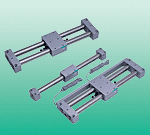
CMK2-00-20-60 proximity switch can detect up to 4 positions. Overview of main information The application range is flexible, and the precise motion mechanism can achieve maximum torque absorption and increase service life. The force-guided wedge mechanism converts the force generated by linear motion into gripper motion. This also ensures the synchronous movement of the gripper. By using an embedded gripper, the guide rail will not produce rotational clearance. Wide range of applications: ? Can be used as single or double acting pneumatic grippers ? Compression springs, used to supplement and maintain clamping force, ? Suitable for outward and inward gripping ? Positioning is achieved through locating pins and locating sleeves, 1 Driver There are various combinations available in gripping and assembly technology, 2 Pneumatic grippers There are various combinations available in gripping and assembly technology, 3 Connectors Used for connecting drivers/drivers and drivers/pneumatic grippers Connection components, 4 Basic elements Connecting profiles with profiles and profiles/driver connections, 5 Mounting elements Make the layout of cables and air pipes more compact and safe, 6 Motors Servo and stepper motors, with or without gearboxes, – Electric cylinders There are various combinations available in gripping and assembly technology, 1 Gripper blank BUB-HGPT, 16 … 80 Blank specially matched with grippers, used for customizing gripper fingers 2 Locating sleeve ZBH, used for positioning gripper blanks and gripper fingers Pneumatic gripper failures will directly affect the operation of the switching valve and regulating valve, common failures include the pneumatic gripper not moving, which may be caused by the following aspects. DSM-8-90-P-A-FW, DGC-K-40-900-PPV-A-GK, Polyurethane hose PUN-10X1,5-RT, Pressure reducing valve LR-M2-G1/4-16I Pressure reducing valve LRMA-1/8-QS-8, VN-30-H-T6-PQ4-VA5-RO2, AEVULQZ-16-5-P-A, DSBC-80-500-PPSA-N3DSBC-80-50-PPSA-N3, DGC-K-32-1100-PPV-A-GK Hose PUN-12X2-S-6-BL, Pressure reducing valve LR-3/8-D-MINI Pressure reducing valve LR-M2-G1/2-16, L-shaped differential pressure reducing valve LRLL-1/8-QS-6GRLA-3/8-QS-8-D, Vacuum suction cup ESV-30-ESDSBC-32-25-D3-PPSA-N3, DFM-63-50-P-A-GFDGC-18-1200-G-PPV-A 532446, LFR-3/4-D-MAXI-MPA Pressure reducing valve LR-1/4-D-7-O-MIDI, Pressure reducing valve LR-M1-G1/4-07GKGRLA-1/2-B, Vacuum suction cup VAS-2-M3-NBRDSBC-50-100-PPVA-N3,, Double acting multi-face mounting?DMM-25-5-P-ADGC-K-80-1100-PPV-A-GK, LFR-3/8-D-5M-MIDI Pressure reducing
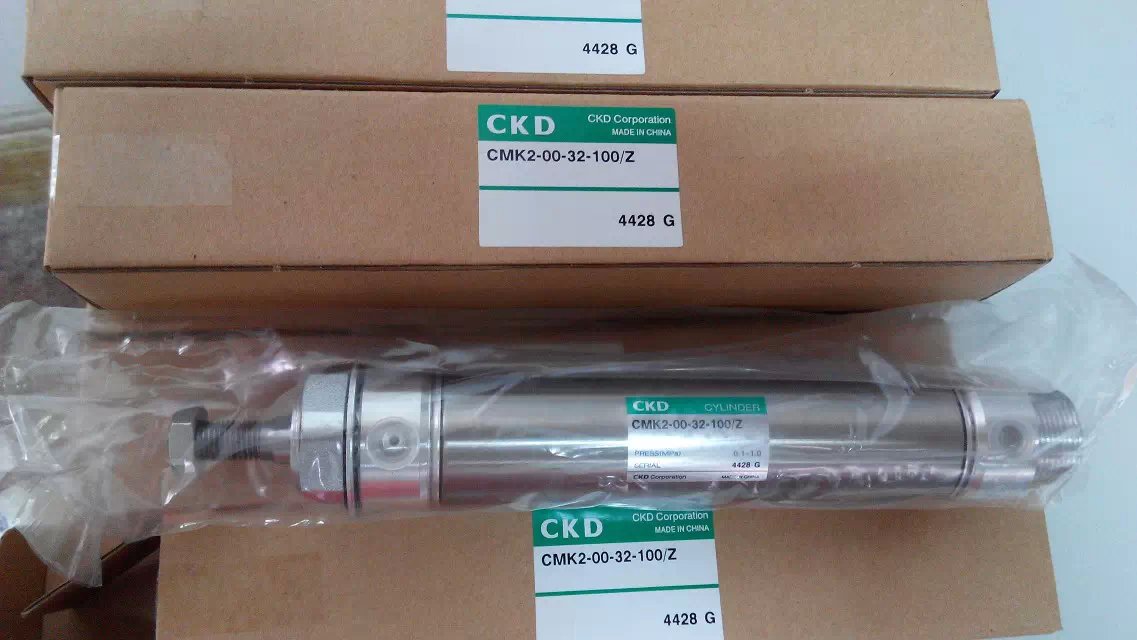
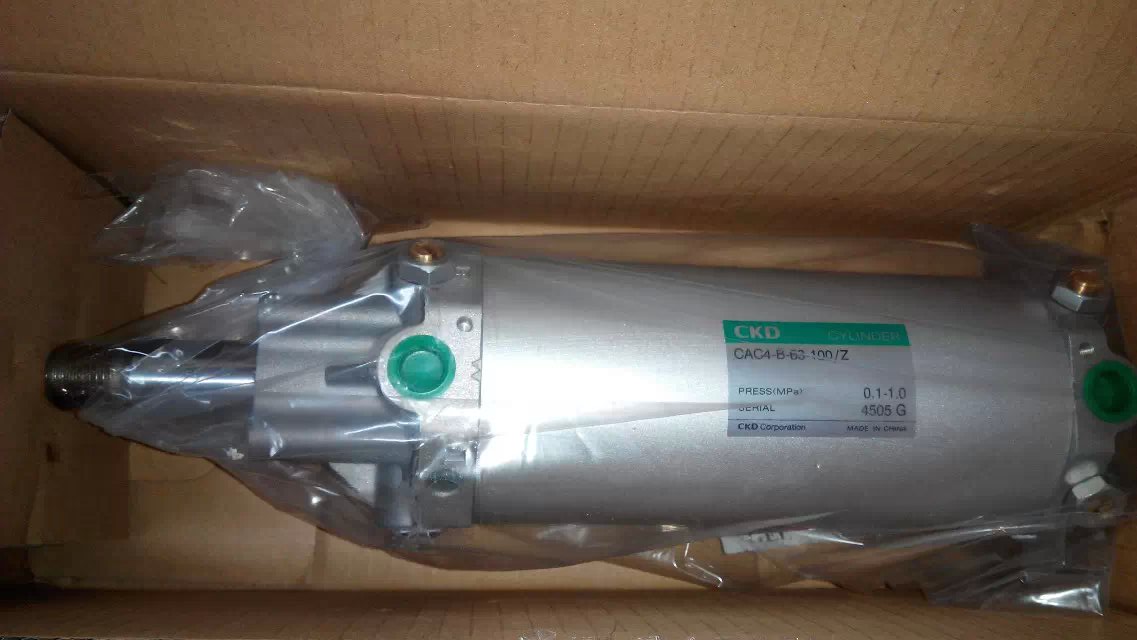
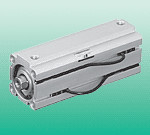
Double acting cylinder CMK2-00-20-60 belongs to the Air Pressure Cylinders series under CKD company, model number CMK2-00-20-60. To purchase or inquire about Double acting cylinder CMK2-00-20-60, you can directly contact 158 0047 0089 (Mr. He).
1. Cylinders: Used to convert the energy of compressed air into mechanical energy to produce linear motion.
2. Pneumatic valves: Used to control the direction, speed, and pressure of airflow, regulating the operation of pneumatic systems.
3. Pneumatic motors: Devices that convert compressed air into rotary motion.
4. Air tubes and connectors: Used to connect various components in pneumatic systems and transmit air.
Yes, CKD pneumatic components require regular maintenance to ensure normal operation and extend service life. Key maintenance points include:
- Regularly check and replace seals and gaskets to prevent air leakage.
- Inspect and clean filters to ensure clean air quality.
- Lubricate moving parts to reduce wear and improve efficiency.
- Check air tubes and connectors to ensure secure and undamaged connections.
When selecting the appropriate CKD pneumatic components, consider the following factors:
Application requirements: Understand the specific working environment and tasks, such as load, speed, and stroke.
Air source conditions: Ensure that the pressure and flow of the air source meet the component’s requirements.
Installation space: Confirm available space and choose components of suitable size.
Environmental factors: Consider the temperature, humidity, and potential corrosiveness of the working environment to select suitable materials and designs.
Common pneumatic system faults include:
Air leakage: Causes efficiency decline; check seals, connections, and tubes, find leak points, and repair or replace.
Stuck cylinder piston: Possibly caused by dirt or insufficient lubrication; clean the piston and add lubricant.
Valve failure: Check electrical control signals, ensure smooth airflow, and verify if the valve itself is damaged.
Insufficient pressure: Inspect air source pressure, filters, and piping to ensure no blockage or leakage.