The CMK2-00-25-60-M solenoid valve, CPE compact type, is most distinctive for its smallest valve width and low power consumption at high flow rates. It can be directly installed in front-end applications: — mounted on cylinders, — mounted on moving parts, — through independent installation, offering better flexibility. CPE10, CPE14, and CPE18: simple pneumatic circuit board structure, consisting of stable aluminum pneumatic circuit board modules (with 2...10 valve positions) or modular pneumatic circuit boards made of durable plastic. The shortened air tube length minimizes flow requirements. Solenoid valves have high requirements for the cleanliness of the medium, particulate media cannot be used, if impurities must be filtered out first. In addition, viscous media cannot be used, and the range of media viscosity suitable for specific products is relatively narrow. Soft start valves have different requirements depending on their type and application, mainly including sealing, strength, regulation, flow, opening and closing, etc. In the design and selection of valves, in addition to considering basic parameters and performance, the performance of the fluid must also be considered, including the phase state of the fluid (gas, liquid, or containing solid particles), corrosiveness, viscosity, toxicity, flammability and explosiveness, preciousness and rarity, and radioactivity, etc. Pressure reducing valve LR-M3-G3/8-07G, pressure reducing valve LR-M1-N1/8-07GKAEVULQ-63-30-P-A, AEVULQZ-100-20-A-P-ADSM-63-B, DSBC-40-25-PPVA-N3, polyurethane air tube PUN-8X1,25-DUO-SI, polyurethane air tube PUN-10X1,5-GE pressure reducing valve LR-1/4-S-7-B, pressure reducing plate ILR-03-ZP-P-7,0 vacuum suction cup ESV-150-SU, VAS-30-1/8-NBR, double acting anti-torsion cylinder DZH-63-250-PPV-A, double acting cylinder DZH-40-50PPV-SALFR-3/8-D-5M-MIDI, LFR-1/4-D-5M-MINI plug-in component LRVS-D-MAXI, PRAEZ.DR.REG.V.MS6-LRP-1/4-D2-A8DSBC-32-60-PPVA-N3, vacuum suction cup ESV-80-EFDFM-25-25-P-A-GF, double acting multi-mounting DMM-20-15-P-ALFR-1/2-D-5M-MAXI-MPA 8002377, LFR-D-MIDID series lockable pressure reducing valve LRS-1/4-D-7-I-MINI, D series lockable pressure reducing valve LRS-1/4-D-7-MIDIDSBC-40-60-PPVA-N3, DSBC-63-150-D3-PPSA-N3DGC-K-25-800-PPV-A-GK, 193144 GRLA-1/8-QS-6-D pressure reducing valve LR-M2-N1/4-07K, vacuum suction cup VAS-100-1/4-SIVN-10-L-T3-PQ2-VQ2-
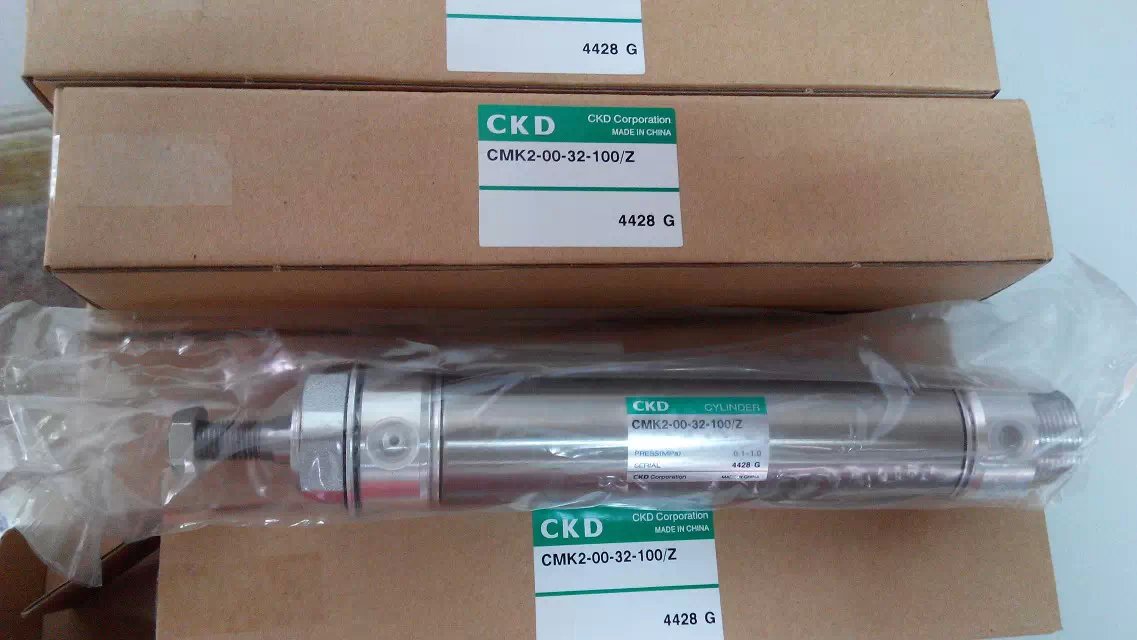
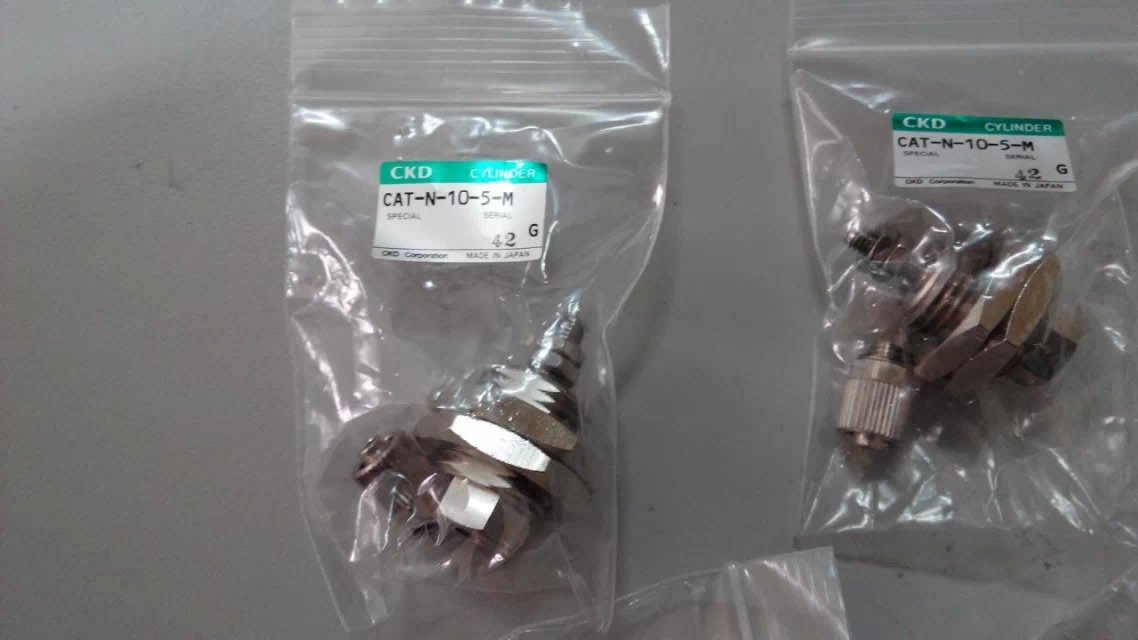
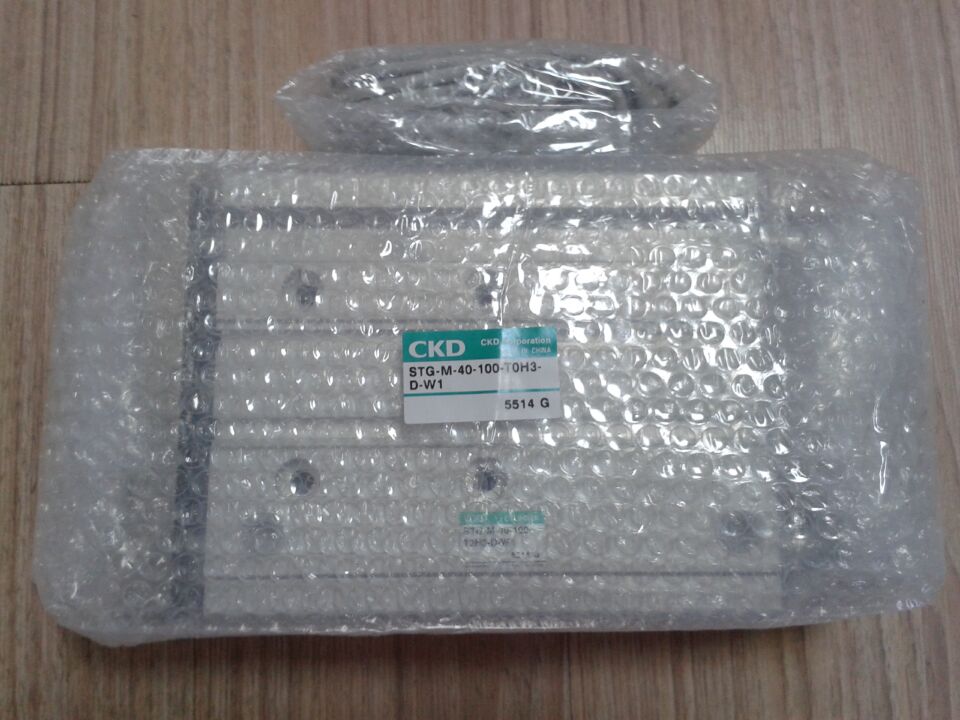
Double-acting cylinder CMK2-00-25-60-M belongs to the Air Pressure Cylinders series under CKD company, model number CMK2-00-25-60-M. To purchase or inquire about Double-acting cylinder CMK2-00-25-60-M, you can directly contact 158 0047 0089 (Mr. He).