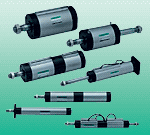
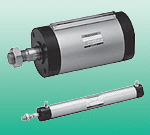
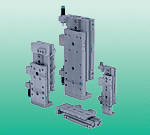
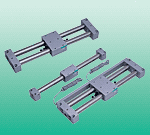
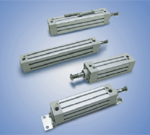
More information on CMK2-CC-20-100, overview without guide rod, suitable for simple drive methods compact - installation length and stroke related, can be fully interchanged with rodless cylinders DGP, easy installation and integration options: - standard piston - extended piston seal system sealing strip, advantages of the sealing system: - unlimited stroke length - true zero leakage, options: NSF-H1 lubricant for the food industry, the practicality of rodless cylinders in the food industry is limited. More suitable for food industry applications Manufacturer's description, rich derivatives Compact type DGC-K basic type DGC-G, cylinder diameter 18 ... 80 mm stroke length 1 ... 8,500 mm 30% narrower than DGC-G, small moving load ? Symmetrical design, cylinder diameter 8 ... 63 mm stroke length 1 ... 8,500 mm guide clearance = 0.2 mm suitable for small loads ? General running performance with torque load, sliding bearing guide DGC-GF ball bearing guide DGC-KF, cylinder diameter 18 ... 63 mm stroke length 1 ... 8,500 mm guide clearance = 0.05 mm suitable for small and medium loads ? General running performance with torque load cylinder diameter 8 ... 63 mm stroke length 1 ... 8,500 mm guide clearance = 0 mm suitable for medium and large loads ? Precise connection with stainless steel slider ?LFR-D-MINI, pressure reducing valve LR-3/8-D-MINI-NPT pressure reducing valve LR-3/8-D-O-MINI, DSM-40-270-FW-A-B, vacuum suction cup ESV-20-CN, EMME-AS-80-S-LS-AMXDFM-80-200-P-A-KF, pressure reducing valve LR-M3-N1/2-04I pressure regulating valve LR-3/8-S-7-OB, vacuum suction cup ESV-20-BN pressure reducing valve LR-M3-N1/2-16GI, LF-1/2-D-MIDIDSBC-63-300-D3-PPVA-N3, M series pressure reducing valve LRB-M1-N1/4-04DGC-K-40-700-PPV-A-GK, vacuum suction cup ESS-2-SN pressure reducing valve LR-M3-N3/8-04G, DGC-K-32-1300-PPV-A-GKGRLA-3/8-QS-10-RS-D, D series pressure reducing valve LR-3/4-D-7-DI-MAXIDSBC-32-25-D3-PPSA-N3, vacuum suction cup ESV-30-ES hydraulic buffer YSR-12-12, DFM-32-160-P-A-KF pressure reducing valve LR-M3-G1/2-07, pressure reducing valve LR-M3-N3/8-04K vacuum suction cup ESV-60-SN, vacuum suction cup ESS-100-ENDFM-12-80-P-A-KF, DFM-50-1
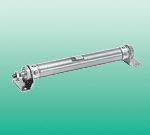
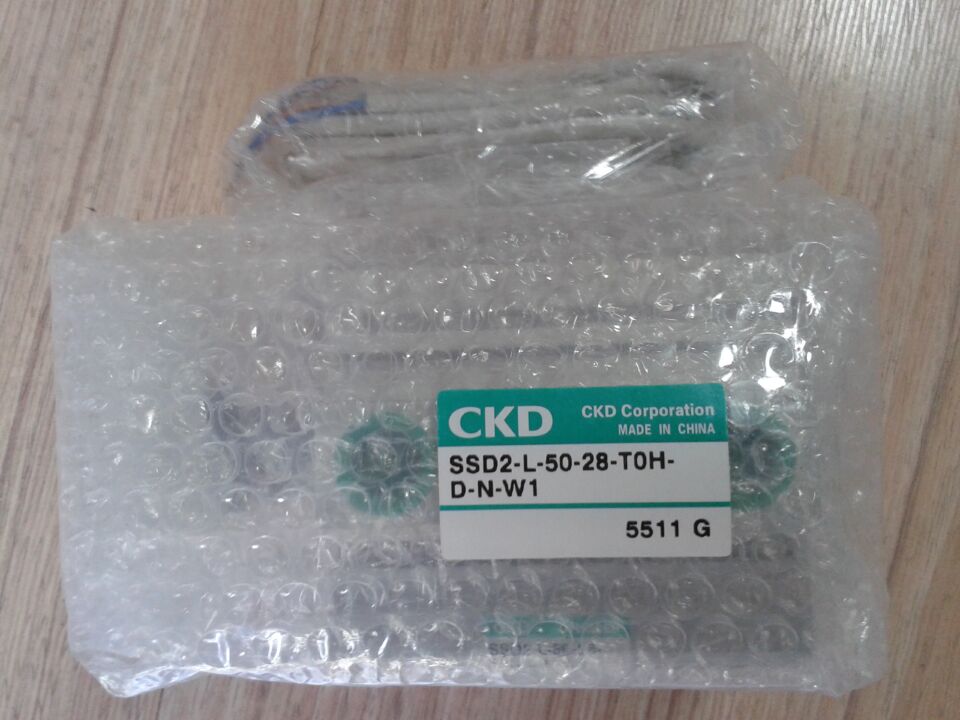
Double acting cylinder CMK2-CC-20-100 belongs to the Air Pressure Cylinders series under CKD company, model number CMK2-CC-20-100. To purchase or inquire about Double acting cylinder CMK2-CC-20-100, you can directly contact 158 0047 0089 (Mr. He).
1. Cylinders: Used to convert the energy of compressed air into mechanical energy to produce linear motion.
2. Pneumatic valves: Used to control the direction, speed, and pressure of airflow, regulating the operation of pneumatic systems.
3. Pneumatic motors: Devices that convert compressed air into rotary motion.
4. Air tubes and connectors: Used to connect various components in pneumatic systems and transmit air.
Yes, CKD pneumatic components require regular maintenance to ensure normal operation and extend service life. Key maintenance points include:
- Regularly check and replace seals and gaskets to prevent air leakage.
- Inspect and clean filters to ensure clean air quality.
- Lubricate moving parts to reduce wear and improve efficiency.
- Check air tubes and connectors to ensure secure and undamaged connections.
When selecting the appropriate CKD pneumatic components, consider the following factors:
Application requirements: Understand the specific working environment and tasks, such as load, speed, and stroke.
Air source conditions: Ensure that the pressure and flow of the air source meet the component’s requirements.
Installation space: Confirm available space and choose components of suitable size.
Environmental factors: Consider the temperature, humidity, and potential corrosiveness of the working environment to select suitable materials and designs.
Common pneumatic system faults include:
Air leakage: Causes efficiency decline; check seals, connections, and tubes, find leak points, and repair or replace.
Stuck cylinder piston: Possibly caused by dirt or insufficient lubrication; clean the piston and add lubricant.
Valve failure: Check electrical control signals, ensure smooth airflow, and verify if the valve itself is damaged.
Insufficient pressure: Inspect air source pressure, filters, and piping to ensure no blockage or leakage.