CMK2-CC-32-75-YB2 with accessories pneumatic connection, port 1 G1/2 pneumatic connection, port 2 G1/2, material note complies with RoHS material information, housing die-cast zinc, material information, bowl PC air source treatment device FRC, with connecting plate, interface specification Gx, QS4 or QS6 air source treatment device FRC, without connecting plate, interface specification on the housing M5 or M7 combines filter, pressure reducing valve and oil mist eliminator into one unit· High flow rate, efficient removal of contaminants,· Good regulation characteristics, hysteresis small By locking the rotating handle to prevent settings, parameter values from being tampered with Lockable rotating handle Two pressure adjustment ranges: 0.5 ... 7 bar and 0.5 ... 12 bar· Two pressure gauge interfaces for different installation options with manual, semi-automatic or, fully automatic condensate drainage Optional filter: 5 μm or 40 μm filter New product 30 Recommended oil for the following components: viscosity range conforms to, 32 mm2/s (= cSt), 40 °C working medium Compressed air, structural features filter pressure reducing valve, with/without pressure gauge, proportional standard oil mist eliminator installation method through accessories, tube installation installation position vertical ±5° pressure reducing valve lock device rotating handle, with lock, CRC2: corrosion resistance level 2, complies with 940 070 standard, components must have a certain corrosion resistance capability. DSBC-63-200-D3-PPSA-N3, DSBC-40-160-D3-PPSA-N3DGC-40-1000-G-PPV-A, DGC-K-25-900-PPV-A-GK pressure reducing valve LR-M5-QS-4, fixed differential pressure reducing valve LRL-3/8-QS-12AEVULQ-40-35-A-P-A-S2, GRLA-M5-QS-6-RS-DDSBC-32-100-PPVA-N3,, DSM-10-240-P-A-FF-FW, air hose PUN-8X1,25-S-2-DUO-BS, polyurethane air hose PUN-4X0,75-DUO-SID series lockable pressure reducing valve LRS-1/4-D-O-I-MIDI, pressure reducing plate LR-ZP-B-D-2-CTAEVULQZ-40-10-P-A,, AEVULQ-20-20-A-P-ADSM-25-270-P-A-B, double acting multi-face installation?DMML-25-40-P-AEMME-AS-60-SK-LS-AMX, EMME-AS-40-S-LV-ASB pressure reducing plate LR-ZP-P-D-2-CT, pressure reducing valve LR-M2-G1/4-16KMPPES-3-1/2-6-010, AEVULQZ-25-10-A-P-ADFM-100-160-P-A-KF, DFM-40-50-P-A-GFLFR-1/4-D-MIDI, LFMA-1/8-D-MI
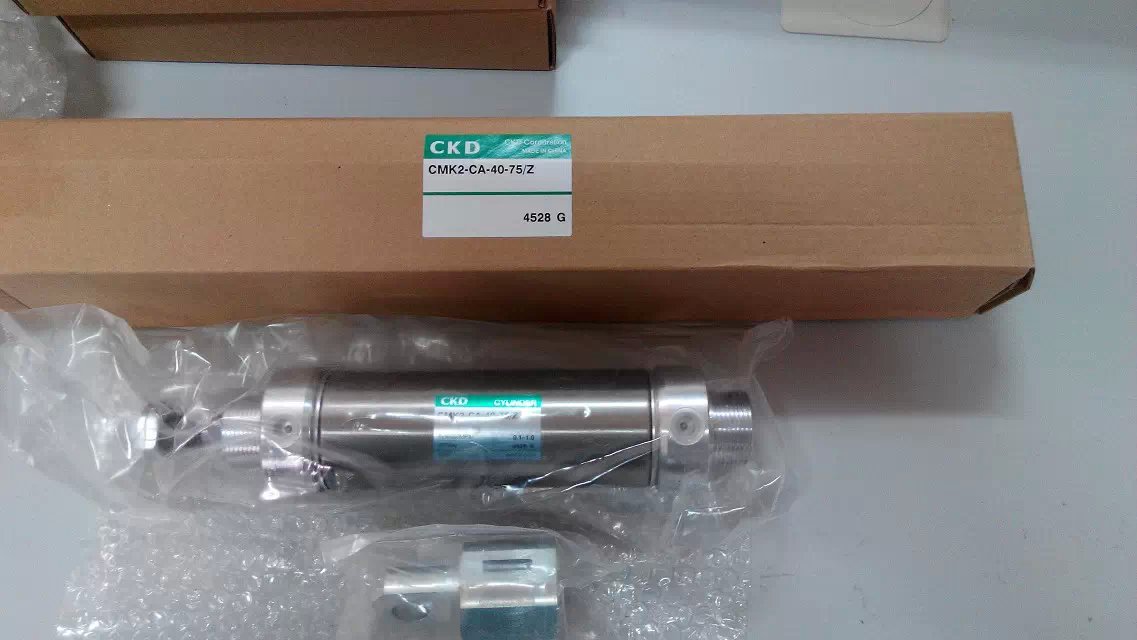
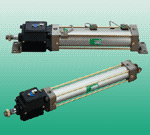
Double-acting cylinder CMK2-CC-32-75-YB2 belongs to the Air Pressure Cylinders series under CKD company, model number CMK2-CC-32-75-YB2. To purchase or inquire about Double-acting cylinder CMK2-CC-32-75-YB2, you can directly contact 158 0047 0089 (Mr. He).