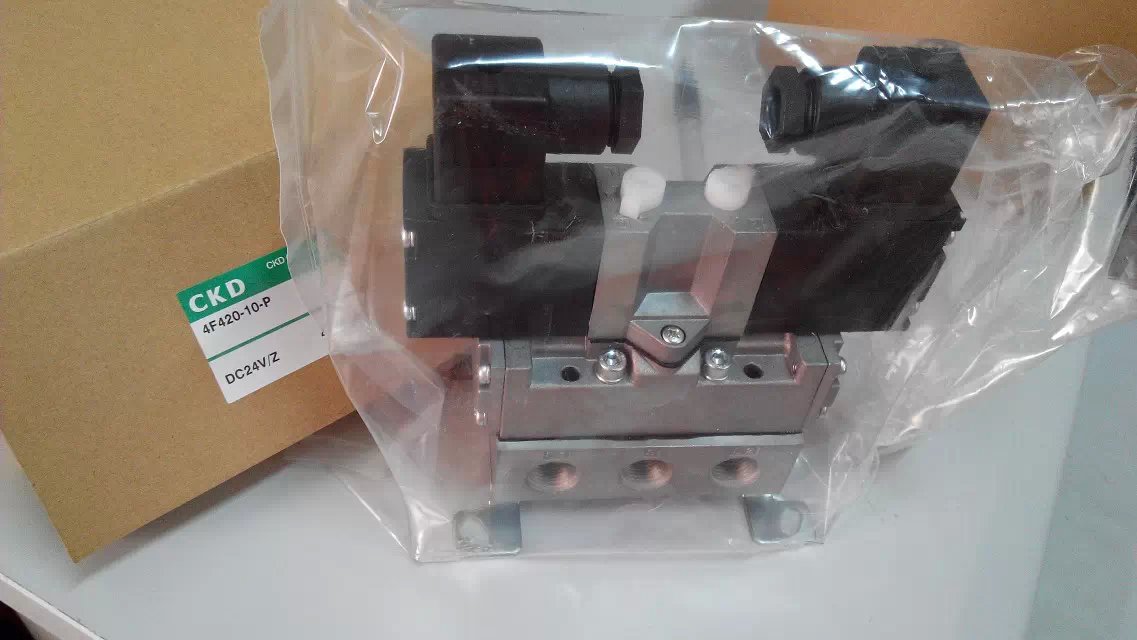
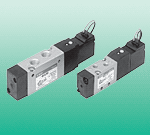
4KA320-08-LS-DC24V CKD喜开理电磁阀
主要产品包括:气动元件:CKD气缸,CKD两通、三通、四通、五通电磁阀,CKD压力开关、管接头、管类等;气源净化元件:CKD集成三大件,CKD减压阀,CKD油雾器,CKD排水器,CKD压力表,CKD过滤器等流体控制元件:CKD两通电磁阀,特殊流体两通电磁阀,CKD冷却油阀,CKD断流阀,CKD集尘器专用阀,CKD摆动缸驱动阀,CKD气缸驱动阀,CKD三通电磁阀,CKD耐压防爆电磁阀,CKD马达阀,手动切换阀HMV系列,HSV系列等,CKD气动系统,CKD流体控制系统等产品
我公司主要代理日本CKD、德国费斯托、台湾气立可产品,产品保证物超所值。
4KA320-08-LS-DC24V CKD喜开理电磁阀
Explosion-proof solenoid valve 4KA320-08-LS-DC24V belongs to the Electric Actuators series under CKD company, model number 4KA320-08-LS-DC24V. To purchase or inquire about Explosion-proof solenoid valve 4KA320-08-LS-DC24V, you can directly contact 158 0047 0089 (Mr. He).
1. Cylinders: Used to convert the energy of compressed air into mechanical energy to produce linear motion.
2. Pneumatic valves: Used to control the direction, speed, and pressure of airflow, regulating the operation of pneumatic systems.
3. Pneumatic motors: Devices that convert compressed air into rotary motion.
4. Air tubes and connectors: Used to connect various components in pneumatic systems and transmit air.
Yes, CKD pneumatic components require regular maintenance to ensure normal operation and extend service life. Key maintenance points include:
- Regularly check and replace seals and gaskets to prevent air leakage.
- Inspect and clean filters to ensure clean air quality.
- Lubricate moving parts to reduce wear and improve efficiency.
- Check air tubes and connectors to ensure secure and undamaged connections.
When selecting the appropriate CKD pneumatic components, consider the following factors:
Application requirements: Understand the specific working environment and tasks, such as load, speed, and stroke.
Air source conditions: Ensure that the pressure and flow of the air source meet the component’s requirements.
Installation space: Confirm available space and choose components of suitable size.
Environmental factors: Consider the temperature, humidity, and potential corrosiveness of the working environment to select suitable materials and designs.
Common pneumatic system faults include:
Air leakage: Causes efficiency decline; check seals, connections, and tubes, find leak points, and repair or replace.
Stuck cylinder piston: Possibly caused by dirt or insufficient lubrication; clean the piston and add lubricant.
Valve failure: Check electrical control signals, ensure smooth airflow, and verify if the valve itself is damaged.
Insufficient pressure: Inspect air source pressure, filters, and piping to ensure no blockage or leakage.