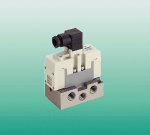
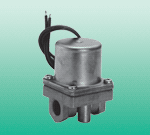
APK11-15A-02E-AC220V solenoid valve CKD
APK11-15A-02E-AC220V
AP21-40F-C4A-AC220V
CMK2-G-FA-32-75
SCM-00-50B-50
3PA210-06-M1C2P-3
4GE229-00-E3-3
4GE219-00-E2C-3SRL3-00-63B-2000
SRL3-63K-1000
SRL2-63K-1000
SRL3-63K-2000
SRL2-63K-2000
SRL3-63B-PST-YOKE-ASSY
SMD2-L-DA-10-15
SSD2-B-12-10-20-W1
AP11-20A-03A-AC100V/Z
4F739-00-LK-DC24V
VNA-32-AC200V
SRL3-LB-40B-2300-M0H-D
AB41-03-5-02E-DC24V /Z
MS-00-ESP-G
MS-00-ESP-B
APK11-10A-02E-AC220V
SW-R2B
NHS-1-1510-710-H50-D4W
SSD-L-20-5-N13XF28.5
FAB51-10-6-12C-2
HCM-LB-32B-650-T0H-D-QY
SCPG-D-00-16-15/Z
LCR-8-75-A5
SSD2-WL-12-30-5-W1
SSD2-WL-12-30-5-W1
SCG-P-00-32B-100-50-FL485973/Z
STR2-M-16-25-K0H3-D
COVP2-LB-50N-75-2-T0H-D-TB1Y
CVSE2-15A-05-02HSB-3
CVSE2-25A-05-03RS-3
APK11-15A-02E-AC220V solenoid valve CKD
Explosion-proof solenoid valve APK11-15A-02E-AC220V belongs to the Electric Actuators series under CKD company, model number APK11-15A-02E-AC220V. To purchase or inquire about Explosion-proof solenoid valve APK11-15A-02E-AC220V, you can directly contact 158 0047 0089 (Mr. He).
1. Cylinders: Used to convert the energy of compressed air into mechanical energy to produce linear motion.
2. Pneumatic valves: Used to control the direction, speed, and pressure of airflow, regulating the operation of pneumatic systems.
3. Pneumatic motors: Devices that convert compressed air into rotary motion.
4. Air tubes and connectors: Used to connect various components in pneumatic systems and transmit air.
Yes, CKD pneumatic components require regular maintenance to ensure normal operation and extend service life. Key maintenance points include:
- Regularly check and replace seals and gaskets to prevent air leakage.
- Inspect and clean filters to ensure clean air quality.
- Lubricate moving parts to reduce wear and improve efficiency.
- Check air tubes and connectors to ensure secure and undamaged connections.
When selecting the appropriate CKD pneumatic components, consider the following factors:
Application requirements: Understand the specific working environment and tasks, such as load, speed, and stroke.
Air source conditions: Ensure that the pressure and flow of the air source meet the component’s requirements.
Installation space: Confirm available space and choose components of suitable size.
Environmental factors: Consider the temperature, humidity, and potential corrosiveness of the working environment to select suitable materials and designs.
Common pneumatic system faults include:
Air leakage: Causes efficiency decline; check seals, connections, and tubes, find leak points, and repair or replace.
Stuck cylinder piston: Possibly caused by dirt or insufficient lubrication; clean the piston and add lubricant.
Valve failure: Check electrical control signals, ensure smooth airflow, and verify if the valve itself is damaged.
Insufficient pressure: Inspect air source pressure, filters, and piping to ensure no blockage or leakage.