Language
Home > SMC > Temperature Controllers
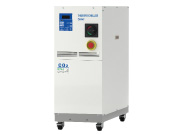
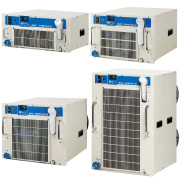
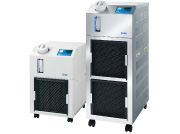
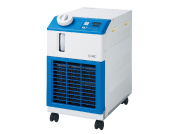
Freeze-type temperature controller corresponding to non-fluorine gas (CO<sub><small>2</small></sub> refrigerant) HRZC

SMC Freeze-type temperature controller corresponding to non-fluorine gas (CO<sub><small>2</small></sub> refrigerant) HRZC

Brand:SMC Model:HRZC

- No fluorine gas- Using CO2 refrigerant- Significant reduction in GWP- GWP = 1 can comply with refrigerant regulations in various countries EU refrigerant control: GWP above 150 US refrigerant control: GWP above 700 California refrigerant control: GWP above 750 ※GWP represents the global warming potential. Values are based on IPCC AR4.- Can be air-shipped- No need for recovery and disposal co ...
- No fluorine gas
- Using CO2 refrigerant
- Significant reduction in GWP
- GWP = 1 can comply with refrigerant regulations in various countries
EU refrigerant control: GWP above 150
US refrigerant control: GWP above 700
California refrigerant control: GWP above 750
※GWP represents the global warming potential. Values are based on IPCC AR4.
- Can be air-shipped
- No need for recovery and disposal costs for fluorine gas
- No need for daily inspections according to fluorine gas emission control laws

Freeze-type temperature controller corresponding to non-fluorine gas (CO<sub><small>2</small></sub> refrigerant) HRZC belongs to the Temperature Controllers series under SMC company, model number HRZC. To purchase or inquire about Freeze-type temperature controller corresponding to non-fluorine gas (CO<sub><small>2</small></sub> refrigerant) HRZC, you can directly contact 158 0047 0089 (Mr. He).

FAQ

  • What is the basic function of SMC pneumatic components?
    SMC pneumatic components use compressed air as a power source to transmit and convert forces. They can be used to control machine movements, transmit force, or achieve automation. Common pneumatic components include cylinders, pneumatic valves, and pneumatic motors.
  • What are the main types of SMC pneumatic components?

    1. Cylinders: Used to convert the energy of compressed air into mechanical energy to produce linear motion.

    2. Pneumatic valves: Used to control the direction, speed, and pressure of airflow, regulating the operation of pneumatic systems.

    3. Pneumatic motors: Devices that convert compressed air into rotary motion.

    4. Air tubes and connectors: Used to connect various components in pneumatic systems and transmit air.

  • Do SMC pneumatic components require regular maintenance? If yes, what are the key points?

    Yes, SMC pneumatic components require regular maintenance to ensure normal operation and extend service life. Key maintenance points include:

    - Regularly check and replace seals and gaskets to prevent air leakage.

    - Inspect and clean filters to ensure clean air quality.

    - Lubricate moving parts to reduce wear and improve efficiency.

    - Check air tubes and connectors to ensure secure and undamaged connections.

  • How to choose the right SMC pneumatic components?

    When selecting the appropriate SMC pneumatic components, consider the following factors:

    Application requirements: Understand the specific working environment and tasks, such as load, speed, and stroke.

    Air source conditions: Ensure that the pressure and flow of the air source meet the component’s requirements.

    Installation space: Confirm available space and choose components of suitable size.

    Environmental factors: Consider the temperature, humidity, and potential corrosiveness of the working environment to select suitable materials and designs.

  • What are common faults in SMC pneumatic component systems and how to troubleshoot?

    Common pneumatic system faults include:

    Air leakage: Causes efficiency decline; check seals, connections, and tubes, find leak points, and repair or replace.

    Stuck cylinder piston: Possibly caused by dirt or insufficient lubrication; clean the piston and add lubricant.

    Valve failure: Check electrical control signals, ensure smooth airflow, and verify if the valve itself is damaged.

    Insufficient pressure: Inspect air source pressure, filters, and piping to ensure no blockage or leakage.


Related Products