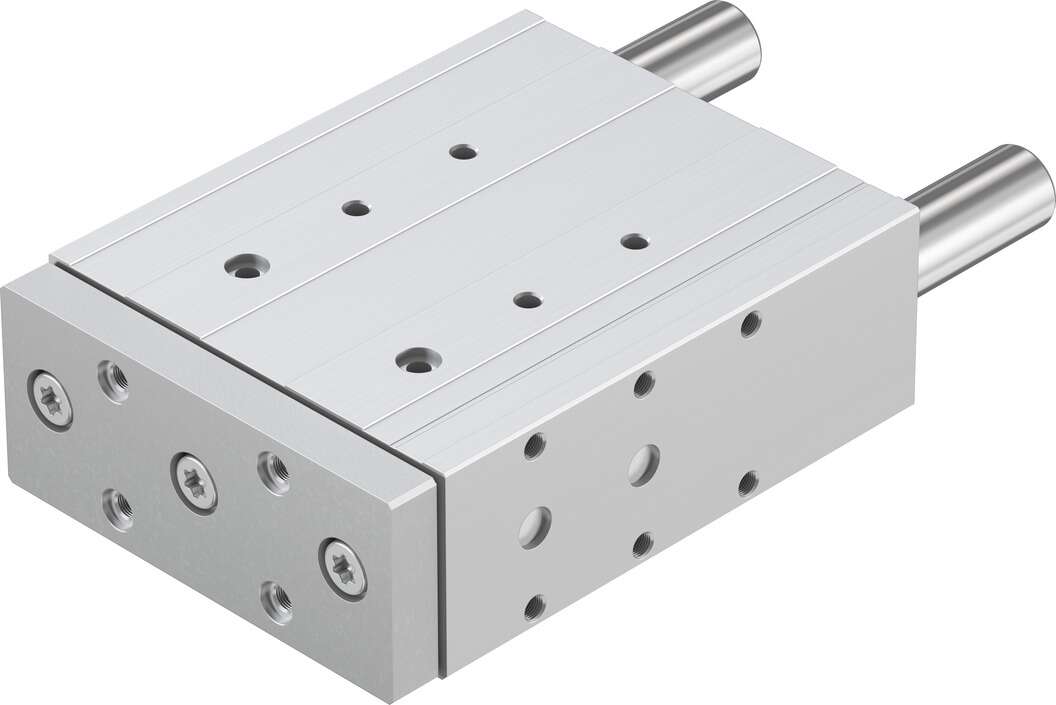
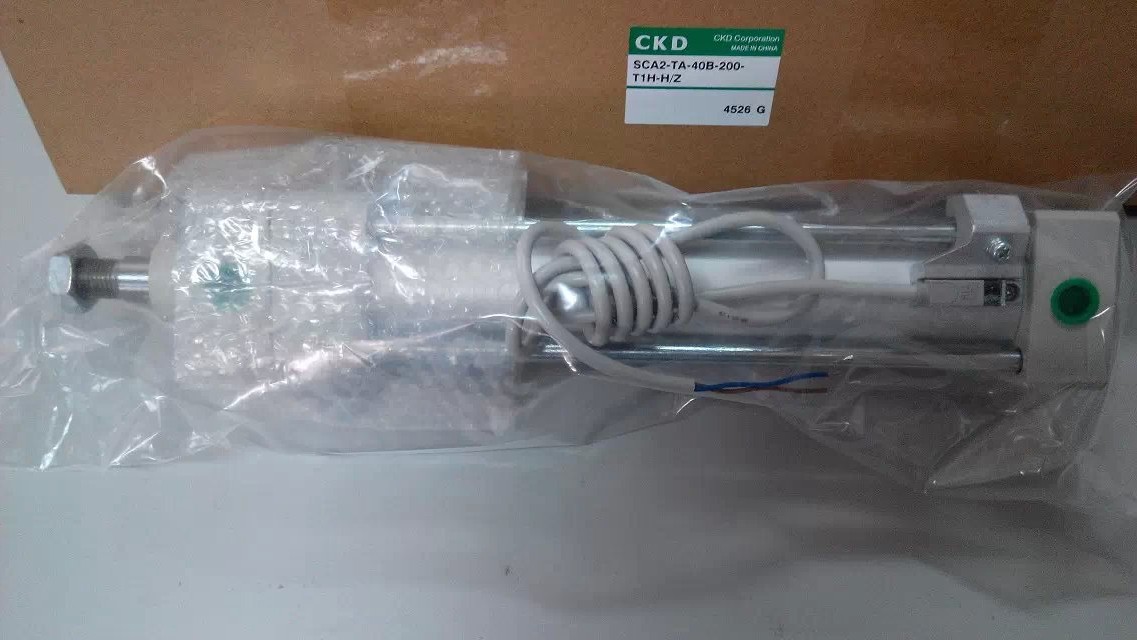
festo standard cylinder DFM-40-80-P-A-KF made of stainless steel material · piston rod dust seal material PUR · can be fully repaired (end cap connected to the profile) · lubricant (compliant with USDA-H1 standard) and piston rod dust seal material (compliant with FDA standard) are recognized by the food processing industry. 3. Modular standard cylinder DNC, in line with DIN/ISO standards Standard products: profile grooves for integrating cylinder sensors. With a variety of derivatives and mounting options. · Diameter 32…125 mm · Stroke 1…2,000 mm · With adjustable end buffer (PPV) 4. Standard cylinder DNCB, in line with ISO 6431 standard DNCB — DNC series products, suitable for simple operating tasks. In applications with higher requirements for drive technology and functionality, DNCB is the choice. · New piston system, very smooth operation, significantly enhanced energy absorption capacity · Compatible with accessories and mounting aids in the DNC modular system · Diameter 32…100 mm · Stroke 2..2,000 mm · New scaled precision adjustment system for end buffer 5. Standard cylinder/valve assembly DNCV integrates functions in the DNC standard cylinder series, significantly improving efficiency. DNCV shortens the time for design, assembly, installation, and maintenance. This is because it uses tested drives, valves, start-up, flow control, and diagnostic units. · Air inlet type in line with ISO6431 standard · Fully utilizes the bearing length of the basic standard cylinder · Dimensions 32…63mm. Solenoid valves, pneumatic valves, solenoid valves, pressure reducing valves, parallel grippers, swinging cylinders, sensors, cost-effective, fast delivery. To ensure stable performance and long life of pneumatic control valves, the following factors should be noted: 1. Before use, flush the pipeline and valve overcurrent parts with water to prevent residual iron filings and other debris from entering the valve cavity. 2. When the ball valve is closed, there is still some medium left inside the valve, and it is also under certain pressure. Before repairing the pneumatic control valve, first close the shut-off valve in front of the pneumatic control valve, open the pneumatic control valve to be repaired, and fully release the internal pressure of the valve body. If it is an electric or pneumatic valve, the power supply and air source should be disconnected first. 3. Generally, soft-sealed valves use PTFE (polytetrafluoroethylene) as the sealing material, and the sealing surface of hard-sealed ball valves is made of metal overlay. When cleaning the pipeline valve body, disassembly should be done carefully to prevent damage to the sealing ring and leakage. 4. When disassembling and assembling the valve body, the bolts and nuts on the flange should be fixed first, then all the nuts should be tightened slightly, and finally fixed firmly. If individual nuts are forced to be fixed first, and then other nuts are fixed, the flange surface will be damaged or cracked due to uneven force, resulting in medium leakage at the valve flange joint. 5. If the valve is cleaned, the solvent used must not conflict with the parts to be cleaned, and must not corrode. Gas-specific ball valves can be cleaned with gasoline. Other components can generally be cleaned with tap water. When cleaning, thoroughly clean the residual dust, oil, and other adherents, such as
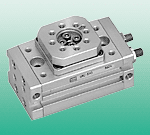
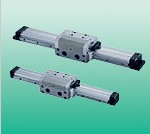
Guided Cylinder DFM-40-80-P-A-KF belongs to the Air Pressure Cylinders series under CKD company, model number DFM-40-80-P-A-KF. To purchase or inquire about Guided Cylinder DFM-40-80-P-A-KF, you can directly contact 158 0047 0089 (Mr. He).