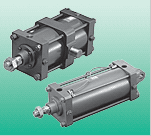
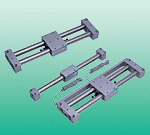
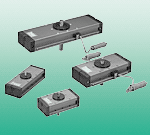
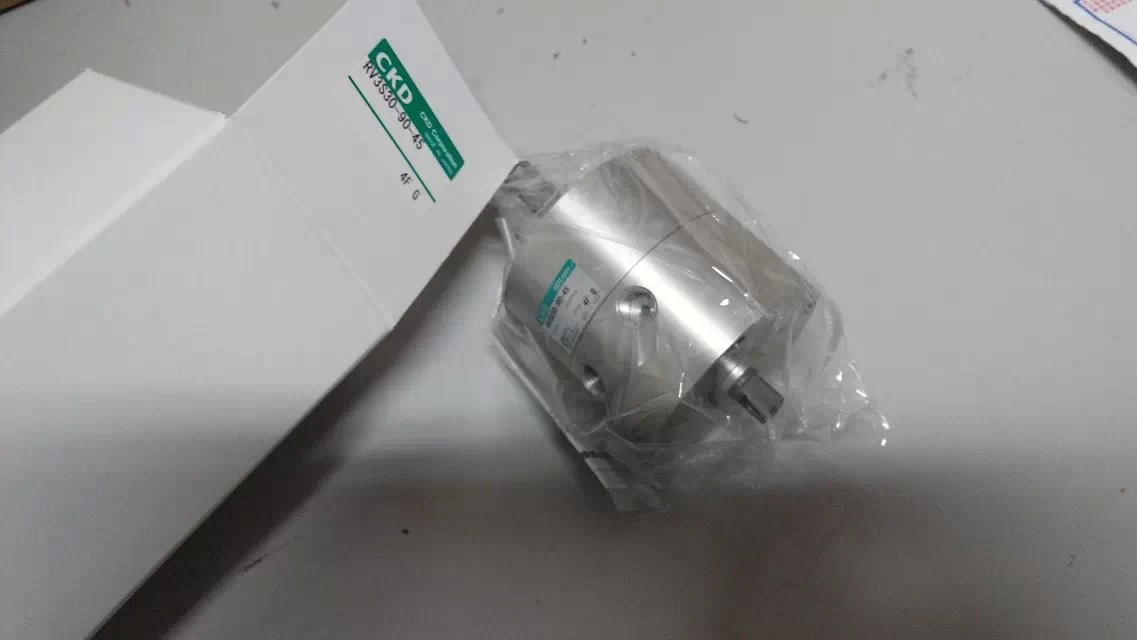
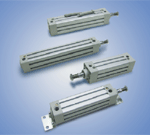
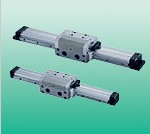
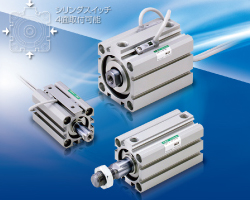
Large cylinder SCS-TC-200B-220-Y piston rod material stainless steel buffer needle valve position specified copper-free treatment type piston rod front end specified cylinder switch single ear ring connector double ear ring connector single ear ring support note 1: Heat-resistant type T is non-oil type (for non-oil use only). ??△1: If only S2 side, it can correspond. △2: Use temperature below 100℃ can correspond. Machine model: Selex cylinder ● Product type: with switch·stroke adjustment type Installation form?: Axial foot seat type Cylinder diameter?: φ125mm Pipe thread type: Rc thread Buffer?: With both sides buffer Stroke?: 100mm Switch model?: Non-contact R1K switch, wire 1m Switch number?: With 2 pieces Selection item?: Dust cover material, maximum ambient temperature 60℃ use Accessories?: Single ear ring connector Note 1: Back-to-back type with 2 cylinders. When specifying each product type, please follow the method below. ? If only S1 in the product type, please fill in the product type symbol before S1's stroke. ? (Example) SCS-B-125-H50-75: Only S1 is low oil pressure type. ? If only S2 in the product type, please fill in the product type symbol before S2's stroke. ? (Example) SCS-B-125-50-H75: Only S2 is low oil pressure type. When both S1 and S2 have product types, please fill in the product type symbol before the bore. ? (Example) SCS-BH-125-50-75: Both S1 and S2 are low oil pressure type. Piston rod nut dust ring piston rod seal rod end bearing metal seal gasket front cover cylinder seal gasket buffer seal piston rod cylinder barrel buffer ring A piston seal ring Part name Material Zinc chromate gloss treatment Industrial chrome plating, industrial chrome plating Zinc chromate gloss treatment Phosphate zinc treatment Zinc chromate gloss treatment Surface oxidation treatment Coating Surface oxidation treatment Zinc chromate gloss treatment Zinc chromate gloss treatment Cylinder diameter? mm Action method Using fluid Maximum operating pressure MPa Minimum operating pressure MPa Guaranteed pressure MPa Ambient temperature ℃ Pipe diameter Stroke Allowable error mm Piston speed? mm/s Buffer effective buffer length mm Stroke adjustment range? mm Oil supply With buffer Allowable absorbed energy J Without buffer Double acting type Compressed air -5~60 (must not freeze) Rc/(~300), (~1000), (~1200) 20~1000 (please use within the allowable absorbed energy range.) Air buffer (but the front buffer does not work during stroke adjustment) 25, 50, 75, 100 to be (when oil supply, please use turbine oil 1 type ISO VG32) Note 1: Intermediate stroke can be made in 1mm units.Large cylinder,/
Large Cylinder SCS-TC-200B-220-Y belongs to the Air Pressure Cylinders series under CKD company, model number SCS-TC-200B-220-Y. To purchase or inquire about Large Cylinder SCS-TC-200B-220-Y, you can directly contact 158 0047 0089 (Mr. He).
1. Cylinders: Used to convert the energy of compressed air into mechanical energy to produce linear motion.
2. Pneumatic valves: Used to control the direction, speed, and pressure of airflow, regulating the operation of pneumatic systems.
3. Pneumatic motors: Devices that convert compressed air into rotary motion.
4. Air tubes and connectors: Used to connect various components in pneumatic systems and transmit air.
Yes, CKD pneumatic components require regular maintenance to ensure normal operation and extend service life. Key maintenance points include:
- Regularly check and replace seals and gaskets to prevent air leakage.
- Inspect and clean filters to ensure clean air quality.
- Lubricate moving parts to reduce wear and improve efficiency.
- Check air tubes and connectors to ensure secure and undamaged connections.
When selecting the appropriate CKD pneumatic components, consider the following factors:
Application requirements: Understand the specific working environment and tasks, such as load, speed, and stroke.
Air source conditions: Ensure that the pressure and flow of the air source meet the component’s requirements.
Installation space: Confirm available space and choose components of suitable size.
Environmental factors: Consider the temperature, humidity, and potential corrosiveness of the working environment to select suitable materials and designs.
Common pneumatic system faults include:
Air leakage: Causes efficiency decline; check seals, connections, and tubes, find leak points, and repair or replace.
Stuck cylinder piston: Possibly caused by dirt or insufficient lubrication; clean the piston and add lubricant.
Valve failure: Check electrical control signals, ensure smooth airflow, and verify if the valve itself is damaged.
Insufficient pressure: Inspect air source pressure, filters, and piping to ensure no blockage or leakage.