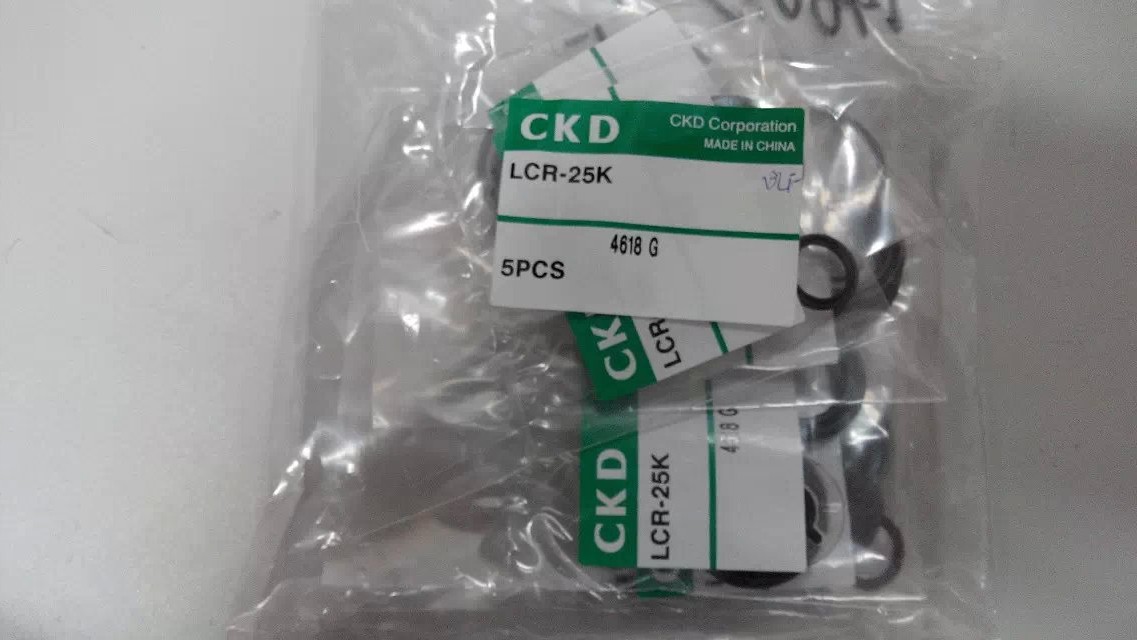
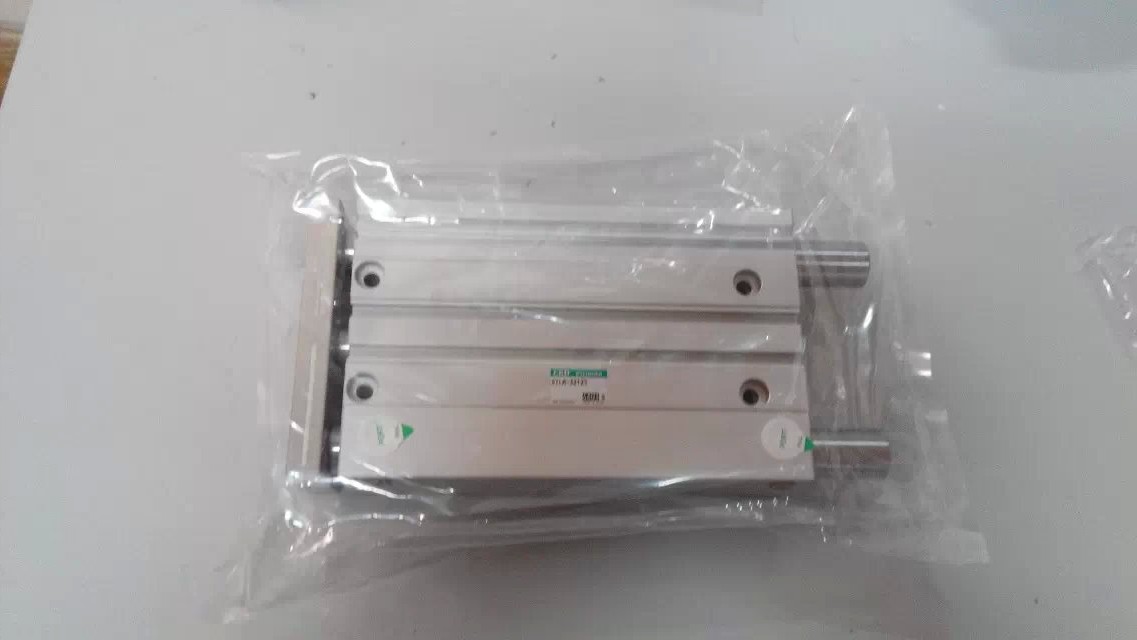
Sliding table cylinder repair kit LCR-620S1 Please use the disassembly tool with the additional terminal box cover to disassemble and then wire. When wiring, please use the specified tool for crimping the terminal as shown in the figure below. After the wiring is finished, please make sure to tighten the terminal box cover. In addition, the maintenance disassembly tool should be kept by the user. Regarding the wiring work, to ensure the explosion-proof performance of the cable used in G type, please select from the following cables. Leakage current bidirectional thyristor programmable controller side solenoid valve CR circuit E terminal: V2-M4(additional) tool: YNT-1614 Japan crimping terminal manufacturing company terminal box cover terminal: V1.25-3(additional) tool: YNT-2216Sliding table cylinder repair kit LCR-620S1 Crimping terminal manufacturing company core number nominal cross-sectional area material composition processing outer diameter type of cable Polyethylene cable (EV) 600V Nylon insulated nylon sheathed cable (VV) Nylon insulated nylon sheathed cable (CVV) CKD pilot valve assembly (4F3 explosion-proof) (4F4~7 explosion-proof) 1020 air pressure components For safe use of this product, please read before use. General precautions for valves, please confirm on page 53. Pilot valve assembly, please do not disassemble the terminal box cover other than. (If disassembled, the explosion-proof performance of the structure cannot be guaranteed.) The pilot valve assembly has obtained explosion-proof certification, so please replace the pilot valve assembly during the coil replacement. The ignition point and combustion level of explosive gases are classified according to the degree of danger. Therefore, gases with the same danger are grouped together, and the specifications of the explosion-proof structure are specified for each group. For electrical components with explosion-proof structure, the type, explosion level, and ignition point of the explosion-proof structure must be marked in sequence with symbols. This indicates for which type of explosion level and ignition point classified gases the electrical components are made and used. For example, when an explosion-proof solenoid valve is marked as d2G4, it means: Ignition point G4 (GB standard is T4) Explosion-proof level 2 (GB standard is II B) The table 1 shows that the flame-proof type can be used with gases classified as explosion level 2 and ignition point G4. It also means that for gases with this level of danger or below, explosion-proof performance can be guaranteed. Zone 0 Zone 0 refers to places where explosive gases are continuously generated or may be continuously generated in dangerous situations, where the concentration of explosive gases is continuously or for a long time above the lower explosion limit. Example: a. The upper space part of the container or tank of flammable liquids.Sliding table cylinder repair kit LCR-620S1
Linear Slide Cylinder LCR-620S1 belongs to the Air Pressure Cylinders series under CKD company, model number LCR-620S1. To purchase or inquire about Linear Slide Cylinder LCR-620S1, you can directly contact 158 0047 0089 (Mr. He).
1. Cylinders: Used to convert the energy of compressed air into mechanical energy to produce linear motion.
2. Pneumatic valves: Used to control the direction, speed, and pressure of airflow, regulating the operation of pneumatic systems.
3. Pneumatic motors: Devices that convert compressed air into rotary motion.
4. Air tubes and connectors: Used to connect various components in pneumatic systems and transmit air.
Yes, CKD pneumatic components require regular maintenance to ensure normal operation and extend service life. Key maintenance points include:
- Regularly check and replace seals and gaskets to prevent air leakage.
- Inspect and clean filters to ensure clean air quality.
- Lubricate moving parts to reduce wear and improve efficiency.
- Check air tubes and connectors to ensure secure and undamaged connections.
When selecting the appropriate CKD pneumatic components, consider the following factors:
Application requirements: Understand the specific working environment and tasks, such as load, speed, and stroke.
Air source conditions: Ensure that the pressure and flow of the air source meet the component’s requirements.
Installation space: Confirm available space and choose components of suitable size.
Environmental factors: Consider the temperature, humidity, and potential corrosiveness of the working environment to select suitable materials and designs.
Common pneumatic system faults include:
Air leakage: Causes efficiency decline; check seals, connections, and tubes, find leak points, and repair or replace.
Stuck cylinder piston: Possibly caused by dirt or insufficient lubrication; clean the piston and add lubricant.
Valve failure: Check electrical control signals, ensure smooth airflow, and verify if the valve itself is damaged.
Insufficient pressure: Inspect air source pressure, filters, and piping to ensure no blockage or leakage.