Language
Home > CKD > Air Pressure Cylinders
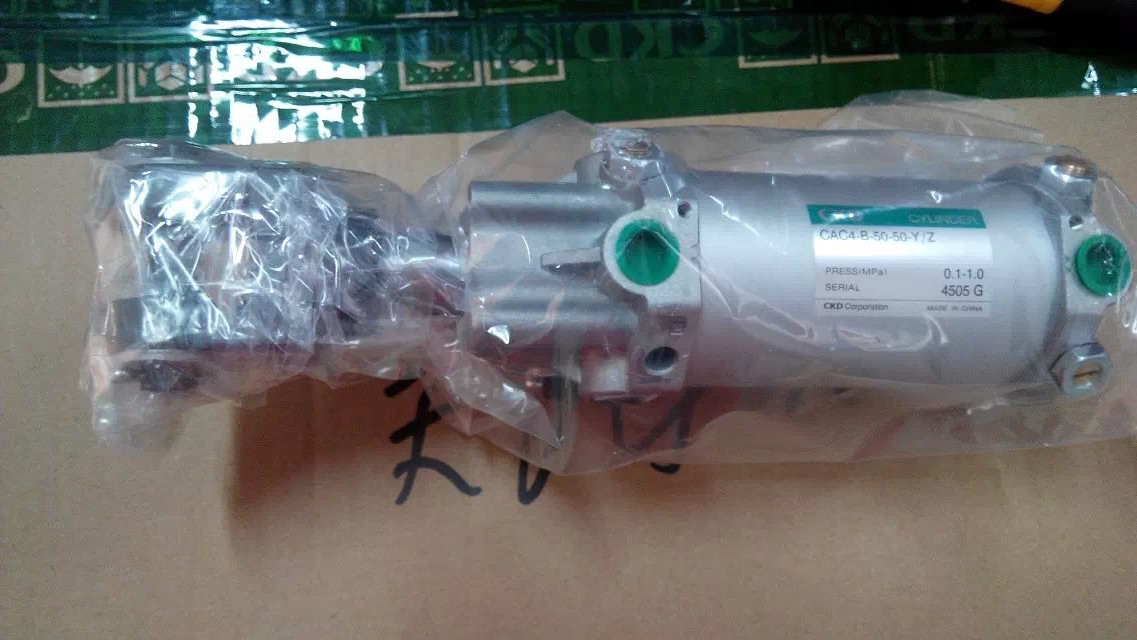
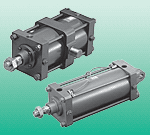
Locking cylinder CAC4-A-63-150-T2YD3-R

CKD Locking cylinder CAC4-A-63-150-T2YD3-R

Brand:CKD Model:CAC4-A-63-150-T2YD3-R

CAC4-A63B-100/Z lock-tight cylinder拧回半圈(开阀方向);一种具有外套型密封活塞环和高性能组合型密封活塞环的气缸。工况情况:锅炉启动时阀门压差可达100-300公斤,流量较小,正常运行时压差较小,流量大,流量可调比为75/1-100/1。小型轻便,易于拆装及维修,并可任意位置安装。准备堵板和螺丝等,以便停炉后和其他连接系统隔离。气动控制系统气缸选型要点;按下铝板转换至锁定控制,1 推出铝板 2 使用螺丝起子,同时压下,并旋转露在外面的手控装置堵住手控装置,1 推出铝板 2 旋转铝板180°并定位,3 手控装置被堵住先导排气,用于带V型电磁线圈的阀,开放式先导排气拆除顶部盖板上的密封垫,盖板上的标记3必须总是与阀体上的气口84或82相对。1 拆除密封垫时,注意不要旋转盖板2 放入密封垫1 拆除主要技术参数,气接口复位方式 机械 气动 机械 气动 机械 气动, ...

CAC4-A63B-100/Z lock-tight cylinder拧回半圈(开阀方向);一种具有外套型密封活塞环和高性能组合型密封活塞环的气缸。工况情况:锅炉启动时阀门压差可达100-300公斤,流量较小,正常运行时压差较小,流量大,流量可调比为75/1-100/1。小型轻便,易于拆装及维修,并可任意位置安装。准备堵板和螺丝等,以便停炉后和其他连接系统隔离。气动控制系统气缸选型要点;按下铝板转换至锁定控制,1 推出铝板 2 使用螺丝起子,同时压下,并旋转露在外面的手控装置堵住手控装置,1 推出铝板 2 旋转铝板180°并定位,3 手控装置被堵住先导排气,用于带V型电磁线圈的阀,开放式先导排气拆除顶部盖板上的密封垫,盖板上的标记3必须总是与阀体上的气口84或82相对。1 拆除密封垫时,注意不要旋转盖板2 放入密封垫1 拆除主要技术参数,气接口复位方式 机械 气动 机械 气动 机械 气动,阀功能 两位五通阀,单电控结构特点 提动阀 滑阀 提动阀 滑阀,密封原理 软性驱动方式 电先导控制方式 先导控制,先导气源 内先导或外先导流动排气功能 带流量控制,手控装置 通过附件,锁定安装方式 通孔安装。安装位置 任意位置公称通径 [mm] 5 8 7 10 12,标准额定流量 [l/min] 750 1000 1300 1600 2000,阀位尺寸 [mm] 27 33 41产品重量 [g] 220 280 300 380 630,工作和环境条件,气接口 G G G,复位方式 气动 机械 气动 机械 气动 机械,工作介质 过滤压缩空气,润滑或未润滑真空工作,电磁阀 MFH-B,老虎阀 2000系列,技术参数 – 两位五通阀电参数F 型电磁线圈,实际上,如果从方案来考虑,根据这里的现场工况和要求,选用磁性开关更为适宜,只是用户铺设气源管路不方便,才没有采纳。由此可见,对于磁性开关,选型固然重要,安装、调试和维护更加重要,有好多故障都是用户因不熟悉调节阀的性能和使用维护特点所造成的。你不能把调节阀孤立于控制系统之外,而需把它和整个系统一起来考虑、来调整,而且,调节阀是一个动态的执行元件,容易出现各种故障,这是手动阀门所不能比的。而且,随着现场总线调节阀的日渐推广,本来由系统完成的任务,下放到了调节阀的身上,这就对调节阀的使用、维护提出了更高的要求。颜色传感器上的标尺应保持完整、准确、清晰。阀门的铅封、盖帽、气动附件等应齐全完好。

Locking cylinder CAC4-A-63-150-T2YD3-R belongs to the Air Pressure Cylinders series under CKD company, model number CAC4-A-63-150-T2YD3-R. To purchase or inquire about Locking cylinder CAC4-A-63-150-T2YD3-R, you can directly contact 158 0047 0089 (Mr. He).

FAQ

  • What is the basic function of CKD pneumatic components?
    CKD pneumatic components use compressed air as a power source to transmit and convert forces. They can be used to control machine movements, transmit force, or achieve automation. Common pneumatic components include cylinders, pneumatic valves, and pneumatic motors.
  • What are the main types of CKD pneumatic components?

    1. Cylinders: Used to convert the energy of compressed air into mechanical energy to produce linear motion.

    2. Pneumatic valves: Used to control the direction, speed, and pressure of airflow, regulating the operation of pneumatic systems.

    3. Pneumatic motors: Devices that convert compressed air into rotary motion.

    4. Air tubes and connectors: Used to connect various components in pneumatic systems and transmit air.

  • Do CKD pneumatic components require regular maintenance? If yes, what are the key points?

    Yes, CKD pneumatic components require regular maintenance to ensure normal operation and extend service life. Key maintenance points include:

    - Regularly check and replace seals and gaskets to prevent air leakage.

    - Inspect and clean filters to ensure clean air quality.

    - Lubricate moving parts to reduce wear and improve efficiency.

    - Check air tubes and connectors to ensure secure and undamaged connections.

  • How to choose the right CKD pneumatic components?

    When selecting the appropriate CKD pneumatic components, consider the following factors:

    Application requirements: Understand the specific working environment and tasks, such as load, speed, and stroke.

    Air source conditions: Ensure that the pressure and flow of the air source meet the component’s requirements.

    Installation space: Confirm available space and choose components of suitable size.

    Environmental factors: Consider the temperature, humidity, and potential corrosiveness of the working environment to select suitable materials and designs.

  • What are common faults in CKD pneumatic component systems and how to troubleshoot?

    Common pneumatic system faults include:

    Air leakage: Causes efficiency decline; check seals, connections, and tubes, find leak points, and repair or replace.

    Stuck cylinder piston: Possibly caused by dirt or insufficient lubrication; clean the piston and add lubricant.

    Valve failure: Check electrical control signals, ensure smooth airflow, and verify if the valve itself is damaged.

    Insufficient pressure: Inspect air source pressure, filters, and piping to ensure no blockage or leakage.


Related Products