How does the CMK2-CA-40-75-I/Z proportional valve work; proportional pressure reducing valve VPPE – 5, 2 proportional pressure reducing valve with display VPPE...E1 – 8, 3 setting point module MPZ for generating 6+1 analog voltage signals 11, 4 digital input/output – for driving the setting point module –5 with cable socket SIM-M12-5GD-...-PU with straight-through socket, for driving VPPE...E1 11, 6 with cable socket SIM-M12-4GD-5PU with straight-through socket, for driving VPPE, 7 with cable socket SIM-M12-4WD-5PU with right-angle socket, for driving VPPE, 8 socket SIE-GD straight-through socket, rated diameter, pressurized 11 mm, rated diameter, exhaust 12 mm drive type electrical, sealing principle soft, mounting position arbitrary, design structure pilot-controlled piston-type pressure reducing valve, short-circuit strength for all electrical interfaces, safety operation instruction MPPES safe position, polarity fault tolerance protection for all electrical interfaces, valve function 3-position normally closed proportional pressure reducing valve, pressure control range 0 ... 6 bar input pressure 1 7 ... 8 bar, maximum pressure hysteresis 0.05 bar switching time.DSM-40-270-P-A-B, polyurethane air hose PUN-E-8X1-SI-400air hose PUN-8X1,25-S-6-SW, pressure reducing valve LR-M1-N1/4-04Kpressure reducing valve LR-M3-N3/4-07IK, GRLA-M5-QS-6-RS-DAEVULQ-40-35-A-P-A-S2, DSBC-125-320-PPVA-N3DSBC-32-40-D3-PPSA-N3, DGC-K-25-550-PPV-A-GK-D2polyurethane air hose PUN-10X1,5-BL, precision lockable pressure reducing valve LRPS-1/4-2,5plug assembly LRVS-D-MIDI, GRLA-1/8-B 151165AEVULQZ-80-25-P-A, , DSBC-50-100-D3-PPSA-N3DSBC-50-250-PPVA-N3, , DGC-K-32-300-PPV-A-GK,,DGC-K-25-300-PPV-A-GK, pressure reducing valve LR-M1-N1/4-07Ipressure regulating valve LR-1/8-S-B, VN-05-M-T2-PI2-VI2-RO1GRLA-1/8-B, DSBC-32-200-PPSA-N3DSBC-125
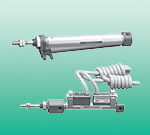
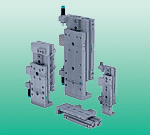
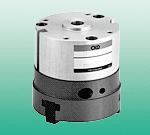
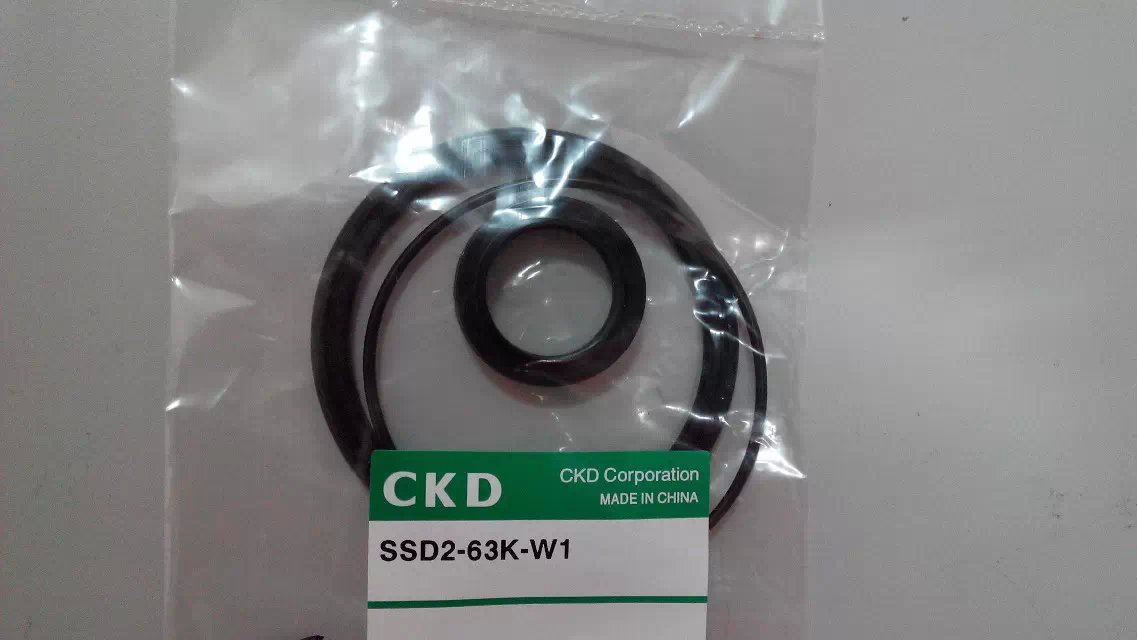
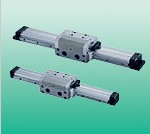
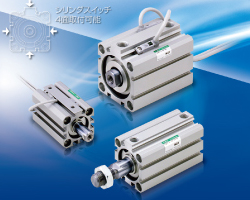
Medium-sized cylinder CMK2-CA-40-75-I/Z belongs to the Air Pressure Cylinders series under CKD company, model number CMK2-CA-40-75-I/Z. To purchase or inquire about Medium-sized cylinder CMK2-CA-40-75-I/Z, you can directly contact 158 0047 0089 (Mr. He).