Language
Home > CKD > Air Pressure Cylinders
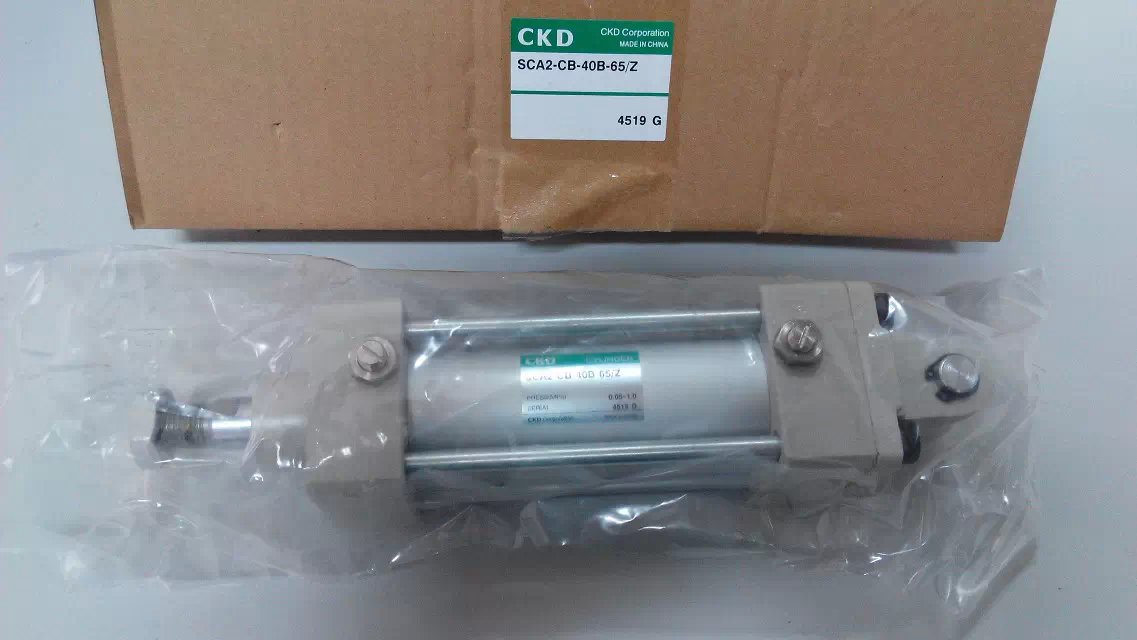
Medium-sized cylinder SCA2-FB-50B-150

CKD Medium-sized cylinder SCA2-FB-50B-150

Brand:CKD Model:SCA2-FB-50B-150

The medium-sized cylinder SCA2-FB-50B-150 line air claw's moment of inertia is referenced to the center axis, without additional grippers and additional loads. The air claw uses sliding bearing guide rails, which means there is a rotational clearance between the jaw and the shell. The rotational clearance values in the table are calculated using the cumulative tolerance method. The opening and clo ...

The medium-sized cylinder SCA2-FB-50B-150 line air claw's moment of inertia is referenced to the center axis, without additional grippers and additional loads. The air claw uses sliding bearing guide rails, which means there is a rotational clearance between the jaw and the shell. The rotational clearance values in the table are calculated using the cumulative tolerance method. The opening and closing times shown in the diagram are measured at room temperature for the air claw without additional jaws under horizontal installation. When the load increases, the air claw must be throttled. The opening and closing times must be adjusted accordingly. There are two options: a short shell without holding force and an extended shell with holding force, enhanced holding force / doubled holding force: The design of the elliptical piston increases the holding force by 30% for the enhanced holding force type, and the travel for the doubled holding force type is halved, doubling the holding force. Weight reduction: Using lighter and higher performance materials. Sensor grooves: After installation, the proximity switches will no longer protrude from the bottom of the shell. The proximity switches can sense up to 4 positions. Overview of main information Application range is flexible, precise motion mechanisms can maximize torque absorption and increase service life. The force-guided wedge mechanism transforms the force generated by linear motion into claw motion. This also ensures the synchronous motion of the claws. In response to the background of flow control cleaning and various requirements such as environmental protection and energy saving, a variety of colorful products have been launched. In the development and manufacturing of cleaning systems and pneumatic auxiliary components centered around the 'F.R.L unit' and 'air dryer', the rich practical achievements and technical expertise are fully utilized to continuously expand the system peripheral equipment. Pneumatic control components such as electronic proportional pressure reducing valves and open serial corresponding valves that control air flow, as well as drive components such as cylinders and electric cylinders that can achieve simple automation at low cost, are constantly being enriched. In the future, as a pioneer in pneumatic technology, we will continue to challenge product development that fully meets market demands. Solenoid valves 3GA119-C6-E2-3 Solenoid valve 3GA119-M5-E20H-3 Solenoid valve 3GA119-M5-E2H-3 Solenoid valve 3GA2111-06 Solenoid valve 3GA219-C6-E0-3 Solenoid valve 3GA310-08-E2-1 Solenoid valve 3GB1669-00-E2-3 Solenoid valve 3GD110-C6-E2H-3 Solenoid valve 3GD210-C8-E2H-3 Solenoid valve 3GD219-06-E00-3 Solenoid valve 3GD310-C10-E2H-3 Solenoid valve 3GD310-C8-E2-3 Solenoid valve 3PA110-M5-2 Solenoid valve 3PA110-M5-3 Solenoid valve 3PA110-M5-M1C2P-3 Solenoid valve 3PA110-M5-PS-3-DC24V Solenoid valve 3PA110-M5-PS-AC110V Solenoid valve 3PA110-M5-PS-AC220V Solenoid valve 3PA210-06-3 Solenoid valve 3PA210-06-C2P-3 Solenoid valve 3PA210-06-M1C2P-3 Solenoid valve 3PA210-06

Medium-sized cylinder SCA2-FB-50B-150 belongs to the Air Pressure Cylinders series under CKD company, model number SCA2-FB-50B-150. To purchase or inquire about Medium-sized cylinder SCA2-FB-50B-150, you can directly contact 158 0047 0089 (Mr. He).

FAQ

  • What is the basic function of CKD pneumatic components?
    CKD pneumatic components use compressed air as a power source to transmit and convert forces. They can be used to control machine movements, transmit force, or achieve automation. Common pneumatic components include cylinders, pneumatic valves, and pneumatic motors.
  • What are the main types of CKD pneumatic components?

    1. Cylinders: Used to convert the energy of compressed air into mechanical energy to produce linear motion.

    2. Pneumatic valves: Used to control the direction, speed, and pressure of airflow, regulating the operation of pneumatic systems.

    3. Pneumatic motors: Devices that convert compressed air into rotary motion.

    4. Air tubes and connectors: Used to connect various components in pneumatic systems and transmit air.

  • Do CKD pneumatic components require regular maintenance? If yes, what are the key points?

    Yes, CKD pneumatic components require regular maintenance to ensure normal operation and extend service life. Key maintenance points include:

    - Regularly check and replace seals and gaskets to prevent air leakage.

    - Inspect and clean filters to ensure clean air quality.

    - Lubricate moving parts to reduce wear and improve efficiency.

    - Check air tubes and connectors to ensure secure and undamaged connections.

  • How to choose the right CKD pneumatic components?

    When selecting the appropriate CKD pneumatic components, consider the following factors:

    Application requirements: Understand the specific working environment and tasks, such as load, speed, and stroke.

    Air source conditions: Ensure that the pressure and flow of the air source meet the component’s requirements.

    Installation space: Confirm available space and choose components of suitable size.

    Environmental factors: Consider the temperature, humidity, and potential corrosiveness of the working environment to select suitable materials and designs.

  • What are common faults in CKD pneumatic component systems and how to troubleshoot?

    Common pneumatic system faults include:

    Air leakage: Causes efficiency decline; check seals, connections, and tubes, find leak points, and repair or replace.

    Stuck cylinder piston: Possibly caused by dirt or insufficient lubrication; clean the piston and add lubricant.

    Valve failure: Check electrical control signals, ensure smooth airflow, and verify if the valve itself is damaged.

    Insufficient pressure: Inspect air source pressure, filters, and piping to ensure no blockage or leakage.


Related Products