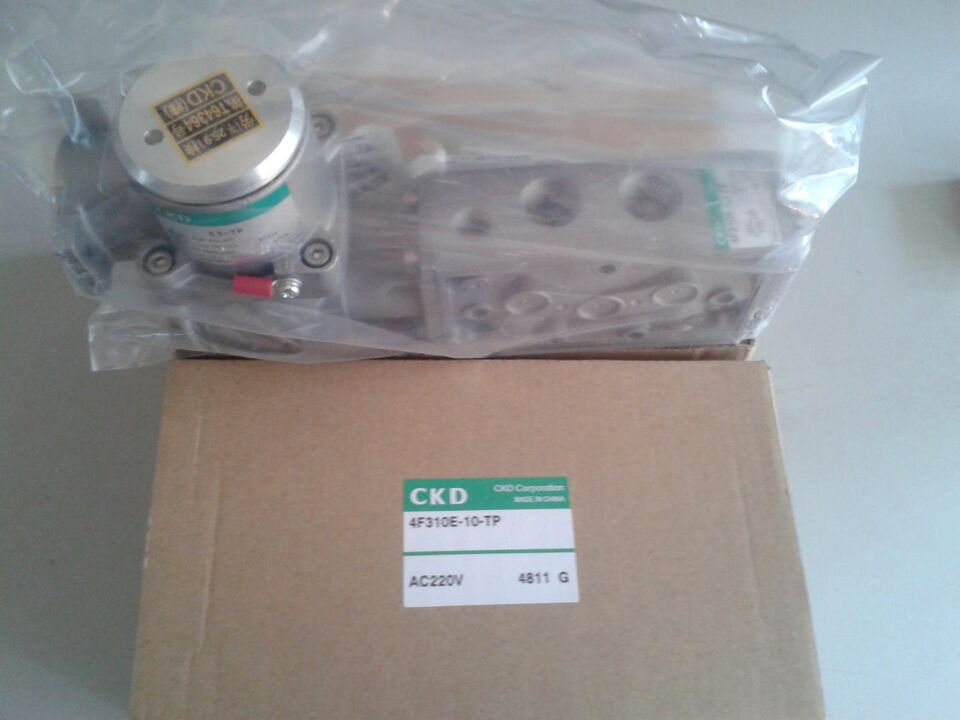
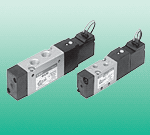
4F310-10-AC220V/Z pilot solenoid valve type and operation method using fluid maximum operating pressure minimum operating pressure Note 1 guaranteed pressure resistance CKD general-purpose valve island VN-14-H-T4-PI4-VI5-RI5 compact vacuum nozzle, used for distributed maintenance-free vacuum generation, rated specifications 0.45 to 3 mm connection method quick connect fitting QS4, QS6, QS8, QS10, QS12 thread M5, G1/8, G1/4, G3/8 quick connect sleeve 4.6 mm standard vacuum port and air source port at 90° right angle inline vacuum port and air source port on the same axis jet pulse control valve, pneumatic control method. Rated size, Laval nozzle 0.7 mm width size 10 mm, assembly position arbitrary ejector characteristics high vacuum standard design structure T-shape maximum suction flow rate at operating pressure 2.1 bar operating pressure 1 ... 8 bar maximum vacuum at operating pressure 4.7 bar maximum vacuum 88% rated operating air pressure 6 bar maximum suction flow rate with respect to the atmosphere 16 l/min, supply time at nominal operating pressure 1.9 s working medium compressed air in accordance with, notes on working and pilot media not to be used lubricated compressed air corrosion resistance grade CRC1 – low corrosion effect medium temperature 0 ... 60 °C ambient temperature 0 ... 60 °C maximum tightening torque 0.5 Nm product weight 15 g mounting type with through hole, with accessories pneumatic connection, air port 1 QS-4 pneumatic connection, air port 3 QS-4 vacuum interface QS-4 material note does not contain brass and PTFE conforms to RoHS material information, seal NBR material information, receiver nozzle POM material information, housing POM-reinforced material information, emitter nozzle forged aluminum alloy material information, fitting brass, nickel-plated vacuum generator, main features product overview vacuum generator all CKD vacuum generators are single-stage structures, based on the Venturi principle. The product series described below are widely applicable. A single series provides different performance levels, can be selected according to characteristic requirements, vacuum generator. Standard and tubular ejectors VN-… ? 13? nominal diameter 0.45 … 3 mm maximum vacuum 93% temperature range 0 … +60 °C? highly efficient vacuum generator, direct, for work area can provide inline or T-shaped housing low space requirements low cost no consumables short evacuation time? vacuum switch (optional) optional additional functions:– integrated jet pulse– vacuum electronic ON/OFF– jet pulse and control combination, VAD-…/VAK-… technical parameters, vad nominal diameter? nominal diameter 0.45 … 3 mm maximum vacuum 84%, temperature range 0 … +60 °C compact structure requires very little installation space short response time built-in solenoid valve (open/close), VADMI-…: additional built-in solenoid valve for jet pulse with display filter
Pilot solenoid valve 4F310-10-AC220V/Z belongs to the Electric Actuators series under CKD company, model number 4F310-10-AC220V/Z. To purchase or inquire about Pilot solenoid valve 4F310-10-AC220V/Z, you can directly contact 158 0047 0089 (Mr. He).
1. Cylinders: Used to convert the energy of compressed air into mechanical energy to produce linear motion.
2. Pneumatic valves: Used to control the direction, speed, and pressure of airflow, regulating the operation of pneumatic systems.
3. Pneumatic motors: Devices that convert compressed air into rotary motion.
4. Air tubes and connectors: Used to connect various components in pneumatic systems and transmit air.
Yes, CKD pneumatic components require regular maintenance to ensure normal operation and extend service life. Key maintenance points include:
- Regularly check and replace seals and gaskets to prevent air leakage.
- Inspect and clean filters to ensure clean air quality.
- Lubricate moving parts to reduce wear and improve efficiency.
- Check air tubes and connectors to ensure secure and undamaged connections.
When selecting the appropriate CKD pneumatic components, consider the following factors:
Application requirements: Understand the specific working environment and tasks, such as load, speed, and stroke.
Air source conditions: Ensure that the pressure and flow of the air source meet the component’s requirements.
Installation space: Confirm available space and choose components of suitable size.
Environmental factors: Consider the temperature, humidity, and potential corrosiveness of the working environment to select suitable materials and designs.
Common pneumatic system faults include:
Air leakage: Causes efficiency decline; check seals, connections, and tubes, find leak points, and repair or replace.
Stuck cylinder piston: Possibly caused by dirt or insufficient lubrication; clean the piston and add lubricant.
Valve failure: Check electrical control signals, ensure smooth airflow, and verify if the valve itself is damaged.
Insufficient pressure: Inspect air source pressure, filters, and piping to ensure no blockage or leakage.