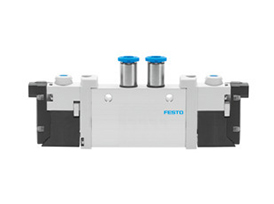
FESTO, as a company with a broad influence in the field of automation technology, is renowned for its high-quality and innovative products. Over the years, FESTO has been committed to providing advanced pneumatic and electric technology solutions for global customers, with its products widely used in various industries such as automotive manufacturing, electronics, food and beverage.
LRP - 1/4 - 10 is a prominent precision low-pressure regulator under the FESTO brand. This regulator combines FESTO's advanced technology and exquisite craftsmanship in its design, aiming to provide users with stable and precise pressure control. The
Precision Low Pressure Regulator LRP-1/4-10 belongs to the Valves and Islands series under FESTO company, model number LRP-1/4-10. To purchase or inquire about Precision Low Pressure Regulator LRP-1/4-10, you can directly contact 158 0047 0089 (Mr. He).
1. Cylinders: Used to convert the energy of compressed air into mechanical energy to produce linear motion.
2. Pneumatic valves: Used to control the direction, speed, and pressure of airflow, regulating the operation of pneumatic systems.
3. Pneumatic motors: Devices that convert compressed air into rotary motion.
4. Air tubes and connectors: Used to connect various components in pneumatic systems and transmit air.
Yes, FESTO pneumatic components require regular maintenance to ensure normal operation and extend service life. Key maintenance points include:
- Regularly check and replace seals and gaskets to prevent air leakage.
- Inspect and clean filters to ensure clean air quality.
- Lubricate moving parts to reduce wear and improve efficiency.
- Check air tubes and connectors to ensure secure and undamaged connections.
When selecting the appropriate FESTO pneumatic components, consider the following factors:
Application requirements: Understand the specific working environment and tasks, such as load, speed, and stroke.
Air source conditions: Ensure that the pressure and flow of the air source meet the component’s requirements.
Installation space: Confirm available space and choose components of suitable size.
Environmental factors: Consider the temperature, humidity, and potential corrosiveness of the working environment to select suitable materials and designs.
Common pneumatic system faults include:
Air leakage: Causes efficiency decline; check seals, connections, and tubes, find leak points, and repair or replace.
Stuck cylinder piston: Possibly caused by dirt or insufficient lubrication; clean the piston and add lubricant.
Valve failure: Check electrical control signals, ensure smooth airflow, and verify if the valve itself is damaged.
Insufficient pressure: Inspect air source pressure, filters, and piping to ensure no blockage or leakage.