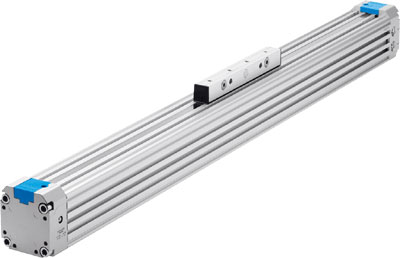
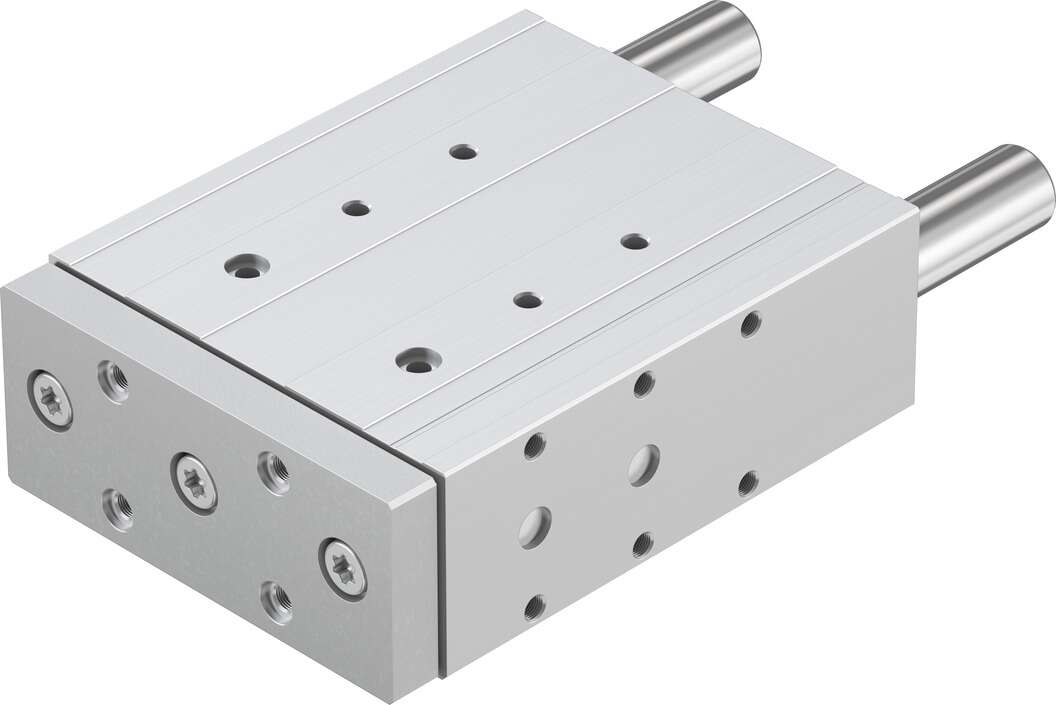
The festo rodless cylinder DGC-K-50-1000-PPV-A-GK assembly can be installed in any orientation, unless limited by anti-seismic criteria. However, the most common method is to mount the actuator vertically above the valve. Other positions may result in uneven wear and improper operation of the valve core and valve seat. For some valves, when the actuator is not vertical, it may also require support. To ensure that the production process can continue in the event of a booster failure or during maintenance, a bypass pipeline should be added to the regulating valve. At the same time, special attention should be paid to whether the installation location of the regulating valve meets the requirements of the process. Filter pressure reducing valve - oil mist eliminator combination, filtration accuracy 5 microns, with metal protective cover. With automatic drain valve. By entering the first four characters of the model code in the search field, the latest alternative products can be found, size Maxi series D drive lock rotary handle, with locking, mounting position vertical +/- 5° condensate discharge fully automatic, design structure filter pressure reducing valve with pressure gauge proportional standard oil mist eliminator, maximum condensate volume 80 cm3 filtration level 5 μm, cup cover protection metal protective cover pressure gauge with pressure gauge, operating pressure 2 ... 12 bar pressure control range 0.5 ... 12 bar, maximum pressure hysteresis 0.4 bar standard rated flow 6,800 l/min, working medium compressed air in accordance with, inert gas About the working and pilot media instructions, lubricated compressed air can be used (once used, it is required to always use lubricated compressed air), corrosion resistance grade CRC2 – medium corrosion effect, air purity at outlet compressed air, inert gas medium temperature -10 ... 60 °C ambient temperature -10 ... 60 °C, maritime classification see certificate product weight 2,390 g installation type line installation, with accessories pneumatic connection, air port 1 G1/2 pneumatic connection, air port 2 G1/2, material notes in compliance with RoHS material information, housing cast zinc, material information, bowl PC air source treatment device FRC, with connecting plate, interface specification Gx, QS4 or QS6 air source treatment device FRC, without connecting plate, interface specification on the housing M5 or M7 The filter, pressure reducing valve and oil mist eliminator are combined into one unit. Large flow, high efficiency in removing impurities, good regulation characteristics, hysteresis small. By locking the rotary handle to prevent the setting, parameter values from being tampered with. Lockable rotary handle two pressure adjustment ranges: 0.5 ... 7 bar and 0.5 ... 12 bar. Two pressure gauge interfaces for different installation options with manual, semi-automatic or fully automatic condensate discharge optional filter: 5 μm or 40 μm filter. New product 30 recommended oil for the following components: viscosity range in accordance with, 32 mm2/s (= cSt), 40 °C working medium compressed air, structural features
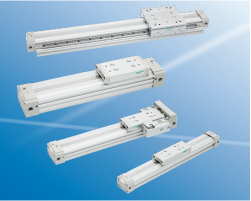
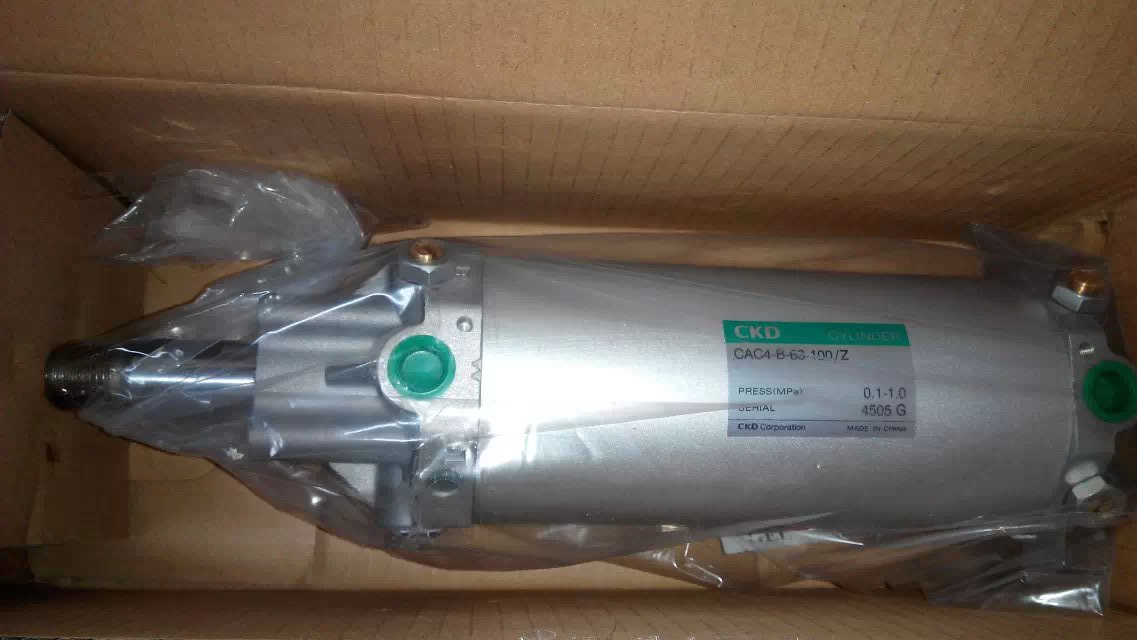
Rodless cylinder DGC-K-50-1000-PPV-A-GK belongs to the Air Pressure Cylinders series under CKD company, model number DGC-K-50-1000-PPV-A-GK. To purchase or inquire about Rodless cylinder DGC-K-50-1000-PPV-A-GK, you can directly contact 158 0047 0089 (Mr. He).