Language
Home > CKD > Air Pressure Cylinders
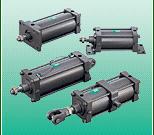
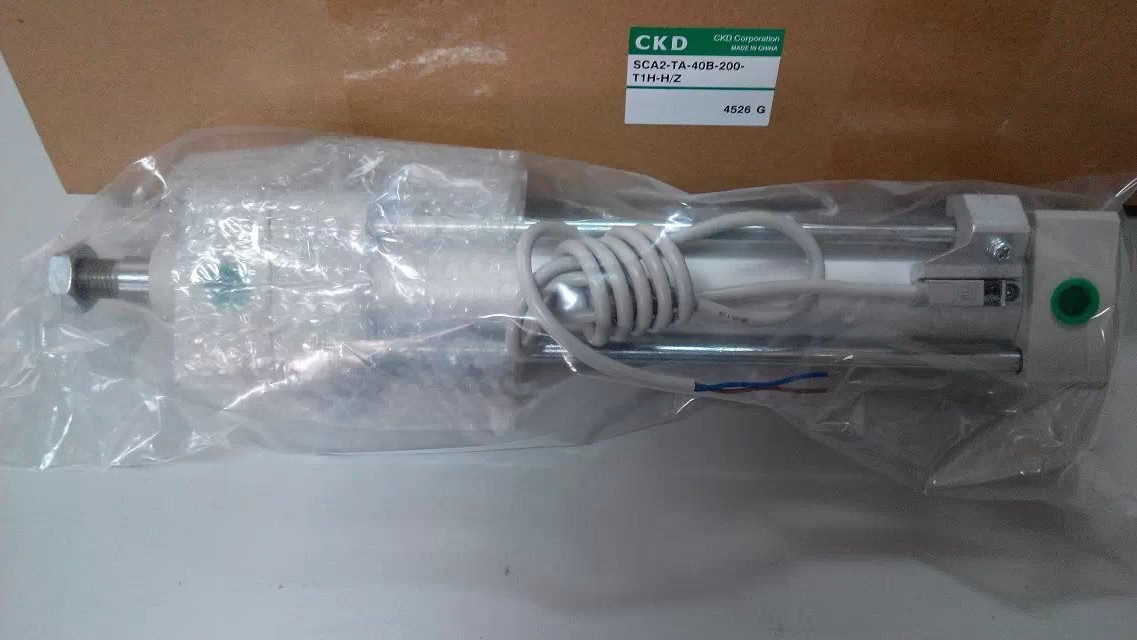
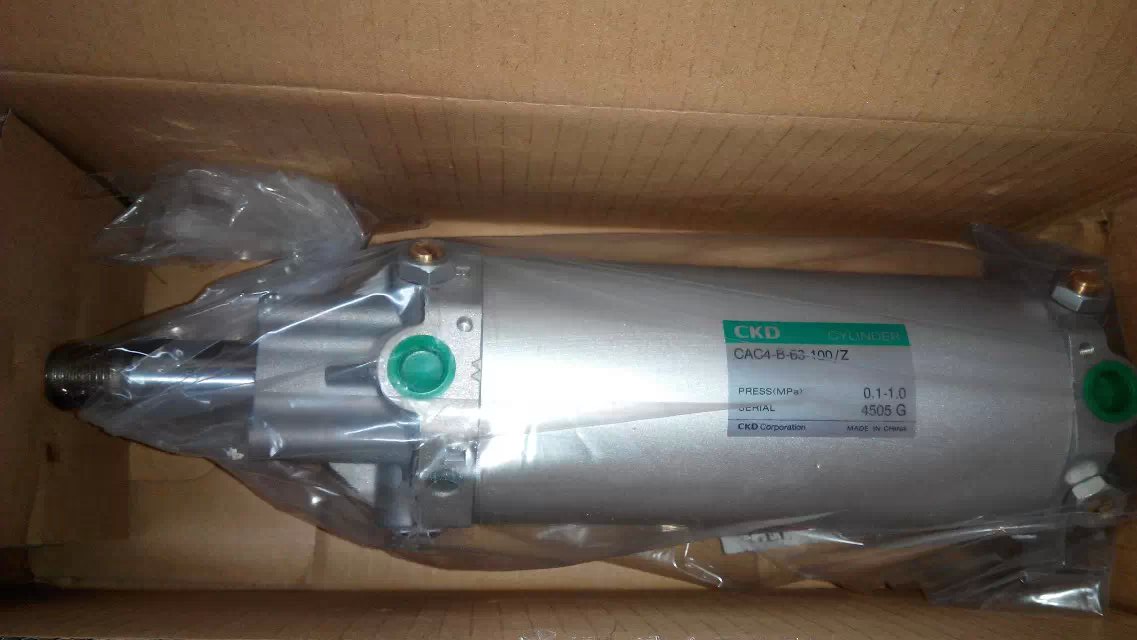
Large Cylinder SCS-TC-200B-630-Y

CKD Large Cylinder SCS-TC-200B-630-Y

Brand:CKD Model:SCS-TC-200B-630-Y

Cylinder SCS-TC-200B-630-Y cylinder switch precautions Note 1. Only φ 50 to 100 can be made. Note 2. Only the rear end anti-fall type can be made. Note 3. Due to the selection of G3, the combination of G3 and T2 results in the material of the cylinder's internal sealing parts being fluororubber. (T2 symbol not needed.) In addition, the combination of G2, G3 and M (corrosion-resistant type) is the ...

Cylinder SCS-TC-200B-630-Y cylinder switch precautions Note 1. Only φ 50 to 100 can be made. Note 2. Only the rear end anti-fall type can be made. Note 3. Due to the selection of G3, the combination of G3 and T2 results in the material of the cylinder's internal sealing parts being fluororubber. (T2 symbol not needed.) In addition, the combination of G2, G3 and M (corrosion-resistant type) is the same, when G2, G3 is selected, M (corrosion-resistant type) is included. (M symbol not needed.) Note 4. The hole position with the positioning hole (E) varies with the length of the cylinder sleeve, please pay attention. Note 5. G4 type includes a metal scraper structure. Note 6. For the cleanroom-specific specifications P72, P73, please refer to the 'Cleanroom Component System' (sample No.CB-033S Note: For φ40 and above with dual-color indication, preventive maintenance, and strong magnetic field switches, please insert 'L1' between the product type number and cylinder diameter and connect with a '-' (e.g.) STS-MPO-L1-50-50-T2YH3-D-F Type of machine: Rod cylinder, short stroke Product type: Sliding bearing, stroke adjustable type, low-speed type Cylinder diameter: φ50mm Pipe thread type: RC thread Stroke: 50mm Switch model: Contact TOH switch, wire 1m Number of switches: With 2 Selection options: End plate material: Steel, with positioning hole, double action basic type (bearing bushing type) B Stroke adjustable type (extension) P Anti-fall type Q With solenoid valve V With air cushion C Heat-resistant type (120゜) Note 2 T Sealing material: Fluororubber T2 Low-speed type O Strong scraper type G Circular scraper type G1 Oil-resistant scraper type (general use) G2 Oil-resistant scraper type (for chlorine) G3 Solder slag adhesion prevention type G4 Micro-speed type F Strong magnetic field, dual-color indication, preventive maintenance switch L1 NPT φ32 and above NG φ32 and above G Rubber air cushion C Corrosion-resistant type (end plate material aluminum) M Corrosion-resistant type (end plate material SUS) M1 Plate material specified Steel F Copper-free treatment type P6 Cleanroom-specific specification (exhaust treatment) P72 Cleanroom-specific specification Precautions Note 1. φ 50 to 100 can be made. Note 2. φ 20 to 25 cannot be made. Note 3. Only the rear end anti-fall type can be made. Note 4. Due to the selection of G3, the combination of G3 and T2 results in the material of the cylinder's internal sealing parts being fluororubber. (T2 symbol not needed.) In addition, P72, P73, G2, G3 and M (corrosion-resistant type) are the same, when P72, P73, G2, G3 are selected, M (corrosion-resistant type) is included. (M symbol not needed.) Note 5. The hole position with the positioning hole varies with the length of the cylinder barrel, please pay attention. Note 6. G4 type includes a metal scraper structure. Note 7. For cleanroom-specific specifications

Large Cylinder SCS-TC-200B-630-Y belongs to the Air Pressure Cylinders series under CKD company, model number SCS-TC-200B-630-Y. To purchase or inquire about Large Cylinder SCS-TC-200B-630-Y, you can directly contact 158 0047 0089 (Mr. He).

FAQ

  • What is the basic function of CKD pneumatic components?
    CKD pneumatic components use compressed air as a power source to transmit and convert forces. They can be used to control machine movements, transmit force, or achieve automation. Common pneumatic components include cylinders, pneumatic valves, and pneumatic motors.
  • What are the main types of CKD pneumatic components?

    1. Cylinders: Used to convert the energy of compressed air into mechanical energy to produce linear motion.

    2. Pneumatic valves: Used to control the direction, speed, and pressure of airflow, regulating the operation of pneumatic systems.

    3. Pneumatic motors: Devices that convert compressed air into rotary motion.

    4. Air tubes and connectors: Used to connect various components in pneumatic systems and transmit air.

  • Do CKD pneumatic components require regular maintenance? If yes, what are the key points?

    Yes, CKD pneumatic components require regular maintenance to ensure normal operation and extend service life. Key maintenance points include:

    - Regularly check and replace seals and gaskets to prevent air leakage.

    - Inspect and clean filters to ensure clean air quality.

    - Lubricate moving parts to reduce wear and improve efficiency.

    - Check air tubes and connectors to ensure secure and undamaged connections.

  • How to choose the right CKD pneumatic components?

    When selecting the appropriate CKD pneumatic components, consider the following factors:

    Application requirements: Understand the specific working environment and tasks, such as load, speed, and stroke.

    Air source conditions: Ensure that the pressure and flow of the air source meet the component’s requirements.

    Installation space: Confirm available space and choose components of suitable size.

    Environmental factors: Consider the temperature, humidity, and potential corrosiveness of the working environment to select suitable materials and designs.

  • What are common faults in CKD pneumatic component systems and how to troubleshoot?

    Common pneumatic system faults include:

    Air leakage: Causes efficiency decline; check seals, connections, and tubes, find leak points, and repair or replace.

    Stuck cylinder piston: Possibly caused by dirt or insufficient lubrication; clean the piston and add lubricant.

    Valve failure: Check electrical control signals, ensure smooth airflow, and verify if the valve itself is damaged.

    Insufficient pressure: Inspect air source pressure, filters, and piping to ensure no blockage or leakage.


Related Products